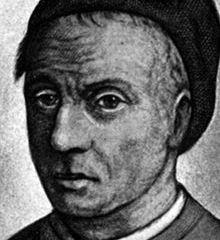
Thomas a Kempis
Thomas a Kempis (1380 - July 25, 1471) was a German canon, known for his spiritual writings. He is best known for his work 'The Imitation of Christ,' which has had a profound impact on Christian thought and practice.
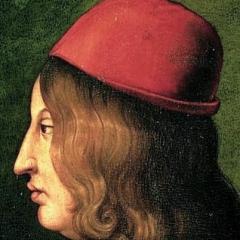
Thomas a Kempis (1380 - July 25, 1471) was a German canon, known for his spiritual writings. He is best known for his work 'The Imitation of Christ,' which has had a profound impact on Christian thought and practice.
German mystic philosopher, born in 1260 and died in 1328. His thoughts have had a profound impact on the world, and he is considered one of the most important representatives of medieval philosophy.
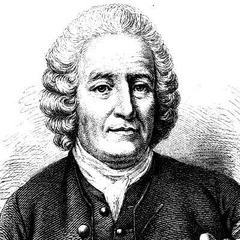
Emanuel Swedenborg was a Swedish scientist, philosopher, and theologian. Born on January 29, 1688, and died on March 29, 1772. The surname 'Swedenborg' is derived from the Swedish word 'borg', meaning 'castle', hence his name can be translated as 'Manuel of the Castle'. Swedenborg made significant contributions to science, particularly in the fields of chemistry, mineralogy, and electricity. His ideas had a profound impact on later science and philosophy.
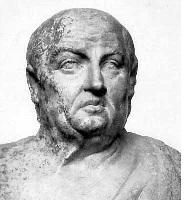
Seneca the Younger (4 BC - 65 AD) was a renowned Roman philosopher, statesman, and playwright. Born into a wealthy Roman family, he served as a government official in the Roman Empire. Seneca's philosophy was deeply influenced by Stoicism, and his works have had a profound impact on later generations.
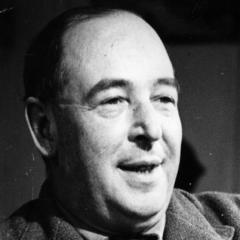
C. S. Lewis was a British novelist, academic, and Christian theologian. He is renowned for his fictional works, particularly The Chronicles of Narnia, a series of fantasy novels that have become a beloved classic of children's literature. Lewis also penned adult fiction, including the science fiction trilogy Out of the Silent Planet and the space trilogy. His non-fiction works, such as Mere Christianity and The Problem of Pain, have had a significant impact on Christian thought and spirituality.
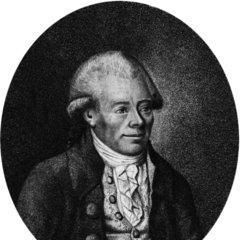
German physicist, inventor, and writer, known for his research in electricity and magnetism. He proposed Lichtenberg's law in electricity and invented various scientific instruments.
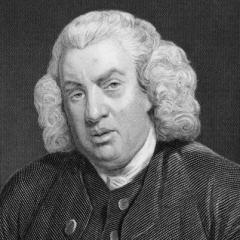
Samuel Johnson was an English writer, poet, and lexicographer, renowned for his comprehensive English dictionary, 'A Dictionary of the English Language', published in 1755. His distinctive writing style and wit have cemented his place as a significant figure in the history of English literature.
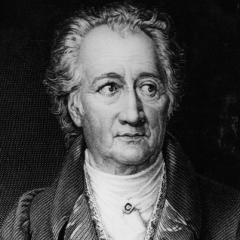
Johann Wolfgang von Goethe, born on August 28, 1749, and died on March 22, 1832, was a prominent German writer, thinker, and scientist. He is one of the greatest writers in German literary history and his works have had a profound impact on the world. His most famous works include 'Faust' and 'The Sorrows of Young Werther'.
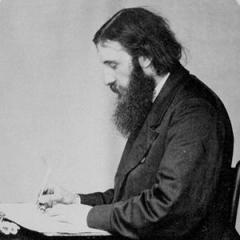
George MacDonald was a 19th-century Scottish author known for his fantasy literature and religious thought. His works had a profound influence on later writers, such as J.R.R. Tolkien and C.S. Lewis.
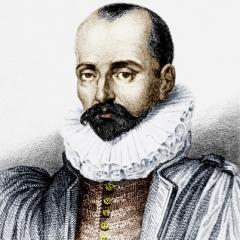
Michel de Montaigne was a French Renaissance philosopher, essayist, and writer. He is considered one of the most significant figures in the history of the essay. Montaigne's work, particularly his book 'Essays', has been influential in the development of modern prose.