Nuh Ha Mim Keller
Limited information is available about Nuh Ha Mim Keller, born in 1954. His identity and career are unknown, and his life experiences and contributions are not well-documented.
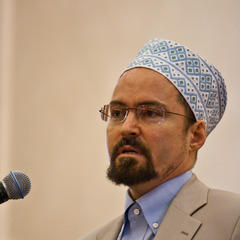
Limited information is available about Nuh Ha Mim Keller, born in 1954. His identity and career are unknown, and his life experiences and contributions are not well-documented.
Abdullah ibn Mubarak, born in 726, was a renowned Arab teacher who had a profound impact on the field of education in the Islamic world. Known as the 'Ocean of Knowledge', he was celebrated for his scholarly pursuits and contributions to education. Abdullah ibn Mubarak's educational methods and academic achievements are still revered today.
Muhammad, also known as the Prophet Muhammad, is the founder of Islam. It is believed that he received revelations from the Angel Gabriel in 610 AD, marking the beginning of his mission to spread Islam. Born in Mecca, in the Arabian Peninsula, he passed away on June 8, 632. Muhammad's life had a profound impact on the development of Islam and the formation of the global Muslim community.
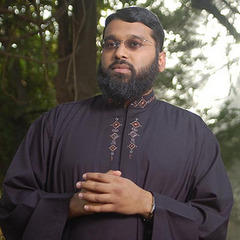
Abu Ammaar Yasir Qadhi is a respected writer specializing in Islamic theology and jurisprudence. Born in 1975, he has made substantial contributions to Islamic scholarship through his writings and lectures. Qadhi's work aims to make Islamic teachings understandable to a contemporary audience, merging traditional Islamic knowledge with modern issues.
Ali ibn Abi Talib, born on March 17, 599 AD and died on January 27, 661 AD, was a prominent companion and successor to the Prophet Muhammad, serving as the second Caliph of the Rashidun Caliphate. He held a significant position in Islamic history and was revered as 'the True Servant of God'. Ali made remarkable contributions in politics, military, and religion, which had a profound impact on the development of Islam.
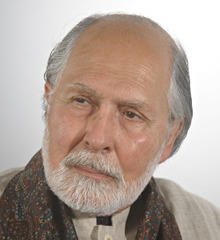
Seyyed Hossein Nasr is a distinguished Iranian philosopher, intellectual, and scholar of Islamic studies. Born on April 7, 1933, he has made significant contributions to the field of Islamic philosophy and comparative religion. His work emphasizes the importance of understanding Islamic thought in its historical and cultural context.
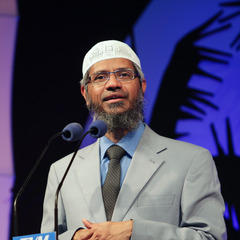
Zakir Naik is a distinguished medical doctor recognized for his significant contributions to the field of medicine. Born on October 18, 1965, he has made substantial advancements in his career and is known for his expertise and dedication to improving healthcare outcomes.
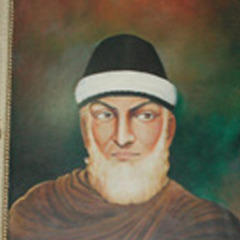
Abdul-Qadir Gilani, a figure with limited information available, lived from 1077 to 1166. His identity and profession are unclear, but he held a significant position and influence in the Islamic world.
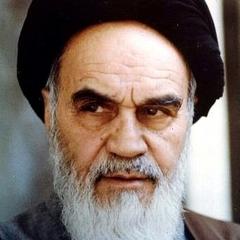
Ruhollah Khomeini, the founder and former Supreme Leader of the Islamic Republic of Iran, was born on September 24, 1902, and passed away on June 3, 1989. He was a pivotal figure in Iran's history, leading the Islamic Revolution that overthrew the Pahlavi monarchy and established the Islamic Republic.

Ibn Ata Allah, also known as Muhammad ibn Muhammad ibn 'Ata Allah al-Iskandari, was a prominent Arab philosopher, theologian, and writer during the 13th to 14th centuries. He was a significant figure in Sufism and his works covered various fields such as philosophy, theology, and mysticism, which had a profound impact on later generations.