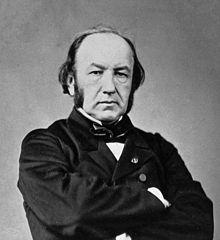
Claude Bernard
Claude Bernard was a French physiologist born on July 12, 1813, and died on February 10, 1878. He made significant contributions to the field of physiology, particularly in the study of the digestive system and the nervous system.
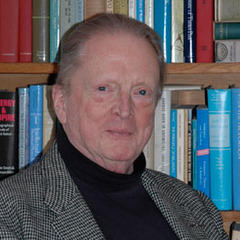
Claude Bernard was a French physiologist born on July 12, 1813, and died on February 10, 1878. He made significant contributions to the field of physiology, particularly in the study of the digestive system and the nervous system.
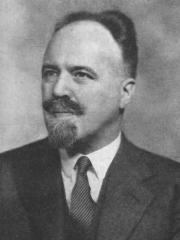
Pieter Geyl was a renowned Dutch historian known for his extensive research on the history of the Dutch Republic. His works delved into the political, economic, and social development of the Netherlands, profoundly influencing the study of Dutch history.
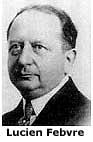
Lucien Febvre was a prominent French historian known for his in-depth research into the history of the Middle Ages and the Renaissance. His approach to history emphasized the comprehensive analysis of historical context and culture, which had a profound impact on later historians.
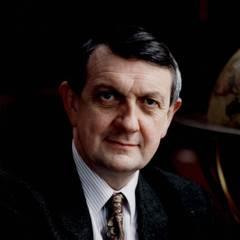
Eamon Duffy is a prominent historian specializing in the history of Christianity in England. Born on February 9, 1947, Duffy has made significant contributions to the field through his meticulous research and engaging writing style.
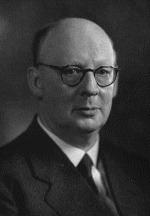
German chemist born on May 27, 1883, and died on November 22, 1943. Wolfgang Ostwald made significant contributions to the field of chemistry, particularly in colloidal chemistry and catalysis.
Charles Augustus Briggs (January 15, 1841 - June 8, 1913) was a versatile scholar known for his work as a historian, theologian, and linguist. His career was marked by significant contributions to the fields of biblical studies and linguistics, and he held teaching positions at several renowned institutions, including Columbia University and New York University. Briggs' influence on academia is still felt today, and he is considered one of the leading figures in American scholarship at the turn of the 19th and 20th centuries.
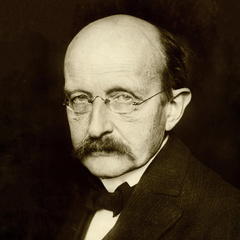
Max Planck, born on April 23, 1858 in Germany, died on October 4, 1947. He was a renowned German physicist and one of the founders of quantum theory, winning the Nobel Prize in Physics in 1918 for his discovery of Planck's constant.
Anthony Standen was an accomplished British author known for his profound insights into history and culture. His works covered a wide range of historical themes from the Middle Ages to the modern era, celebrated for their unique narrative style and attention to detail.
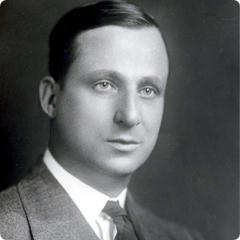
Allan Nevins was an influential American historian renowned for his comprehensive research on the history of the United States. Born on May 20, 1890, and passing away on March 5, 1971, Nevins' work spanned a wide range of topics, including the American Revolution, the Civil War, and the Gilded Age.
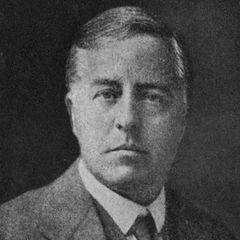
James Jeans was an influential British physicist known for his contributions to astrophysics and cosmology. His research encompassed stellar structure and the origins of the universe, having a profound impact on modern physics.