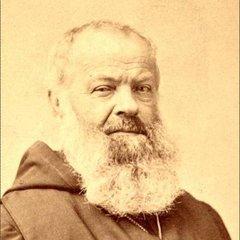
Boniface Wimmer
Boniface Wimmer, born on January 14, 1809, and died on December 8, 1887, was a German-American immigrant leader in the 19th century. He made significant contributions to the spread of German literature in the United States.
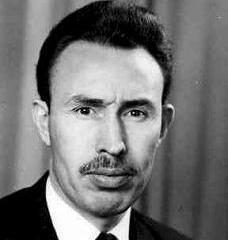
Boniface Wimmer, born on January 14, 1809, and died on December 8, 1887, was a German-American immigrant leader in the 19th century. He made significant contributions to the spread of German literature in the United States.
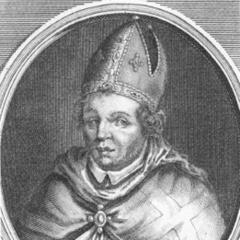
Arius (256-336 AD) was a presbyter in ancient Christianity, known for his controversial theological views. He proposed the Arian heresy, which argued that Christ was not the Son of God but a created being. Arius' ideas sparked widespread debate in the history of Christianity.

Kassim Osgood, born on May 20, 1980, is a renowned football player known for his exceptional skills and tactical intelligence. He has played for several European clubs throughout his career and achieved significant success at the national team level.
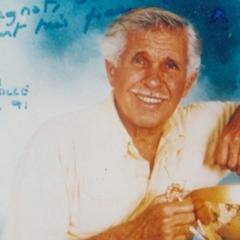
Jacques Mayol, born on April 1, 1927, was a renowned French diver. He is best known for his contributions to free diving, pioneering a new era in the sport. Mayol held high regard in the diving community, setting several world records for depth and duration in free diving.
Ed Blackwell, born on October 10, 1929 and passed away on October 7, 1992, was an outstanding drummer. His musical career was filled with exploration and innovation, profoundly influencing the development of jazz.

Jill Bolte Taylor is a neuroscientist, author, and public speaker, renowned for her unique personal experience and profound insights into the workings of the brain. In 2001, she experienced a remarkable stroke that damaged her left brain (responsible for language, logic, and emotion) while leaving her right brain (responsible for intuition and creativity) intact. This experience inspired her book 'My Left Brain Died: A Neuroscientist's Personal Stroke Journey,' which became an international bestseller and won multiple awards. Taylor's work not only helps people better understand the brain but also encourages them to explore their own inner intuition and creativity.
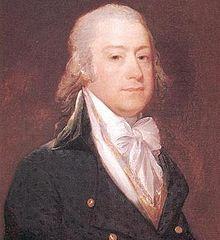
William Loughton Smith was an early American politician, born in Britain in 1758 and died in December 1812. He was a distinguished U.S. Representative, serving as a member of the House of Representatives for Pennsylvania from 1789 to 1795.

Leonard Shlain was an American surgeon, writer, and thinker whose research interests spanned across science, art, and philosophy. His unique perspective and interdisciplinary approach have had a broad impact in the academic community.
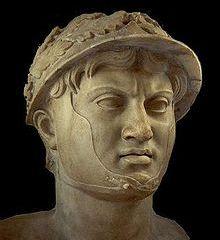
Pyrrhus (c. 318 BC – 272 BC) was a Greek king of the Molossian dynasty of Epirus, renowned as a military commander. He is best known for his costly victories against the Roman Republic in southern Italy, which gave rise to the term 'Pyrrhic victory'. A distant relative of Alexander the Great, Pyrrhus participated in the Wars of the Diadochi before being invited by the Greek city of Tarentum to aid in its conflict with Rome. He won battles at Heraclea and Asculum but suffered heavy losses. Later campaigns in Sicily and Greece ended in failure, and he was killed in street fighting in Argos. Pyrrhus is remembered as a brilliant tactician but a flawed strategist.
Andres Oppenheimer is an accomplished journalist known for his in-depth reporting on political, economic, and social issues in Latin America. Born in 1951, he has been with CNN since 1981, serving as the network's Latin America affairs correspondent for nearly three decades. Oppenheimer's reporting is lauded for its accuracy and insight, and he often provides commentary and analysis on regional hot topics.