Teresa of Avila
Teresa of Avila, born on March 28, 1515, and died on October 4, 1582, was a Spanish mystic, nun, and theologian. She is a saint of the Catholic Church, renowned for her profound insights into mysticism and spiritual life.
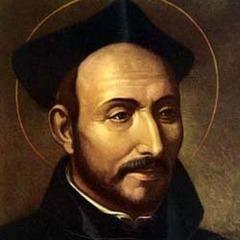
Teresa of Avila, born on March 28, 1515, and died on October 4, 1582, was a Spanish mystic, nun, and theologian. She is a saint of the Catholic Church, renowned for her profound insights into mysticism and spiritual life.
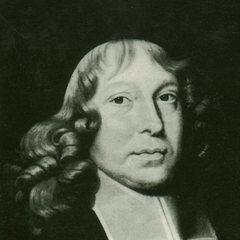
Samuel Rutherford was a 17th-century Scottish theologian and writer whose works had a profound impact on religious and political fields, particularly within the Protestant movement. He is known for his contributions to Christian ethics and political theory.
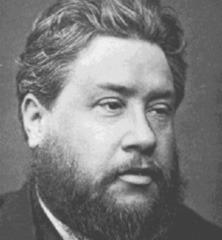
Charles Haddon Spurgeon, born on June 19, 1834, was a prominent Christian preacher from the United Kingdom. Known as the 'Preacher of London,' he was renowned for his passionate sermons and profound influence. Spurgeon's preaching drew thousands of listeners, and his writings had a widespread impact on the Christian world.
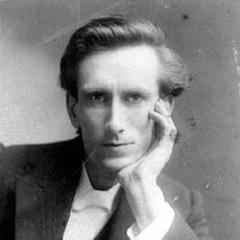
Oswald Chambers (July 24, 1874 – November 15, 1917) was a Scottish Christian minister, teacher, and writer, best known for his devotional classic 'My Utmost for His Highest'. Born in Aberdeen, he studied art in London before feeling called to ministry. He taught at the Bible Training College in London and served as a YMCA chaplain to British soldiers in Egypt during World War I, where he died of complications from appendicitis. His works, compiled posthumously by his wife Gertrude, have inspired millions worldwide.
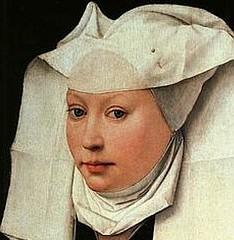
Julian of Norwich was a 14th-century English mystic, writer, and prophet. Her life and works are significant in the fields of Christian mysticism and female religious writing.
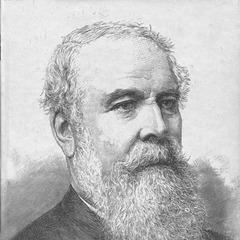
J. C. Ryle, the Bishop of Liverpool, was born on May 10, 1816, and died on June 10, 1900. He was a prominent religious leader in 19th-century England, known for his deep biblical scholarship and steadfast propagation of Christian faith.
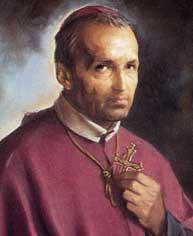
Alphonsus Liguori, born on September 27, 1696, in Naples, Italy, and died on August 1, 1787. He was a prominent Italian writer, theologian, composer, and Catholic saint. Liguori is known for his moral theology and religious writings, which have had a profound impact on posterity.
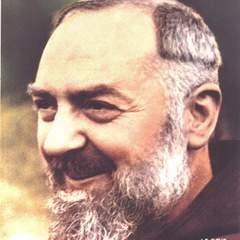
Pio of Pietrelcina, also known as Saint Pio, was a famous Italian Catholic saint. He was born on May 25, 1887, in Pietrelcina, Italy, and died on September 23, 1968. Saint Pio is known for his miraculous healing abilities, simple lifestyle, and compassion for the poor.
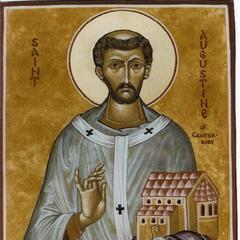
Saint Augustine, born on November 13, 354 in Tagaste, North Africa, and died on August 28, 430, was an influential Christian theologian, philosopher, and writer. He is considered one of the 'Fathers of the Church' and had a profound impact on Christian theology, philosophy, and Latin literature. His work 'Confessions' is a classic of Western literature, and his thoughts have had a lasting influence on Christian doctrine and Western culture.
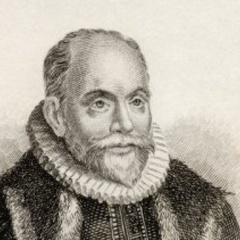
Thomas Helwys (1575-1616) was a prominent religious reformer in 17th-century England. Limited information suggests that he played a significant role in the English Reformation and had a profound impact on the development of religious freedom and democratic thought.