
Victor Lanoux
Victor Lanoux, born on June 18, 1936 in France, was a renowned actor. He had remarkable performances in both film and theater, known for his unique acting style and his ability to create diverse and memorable characters.
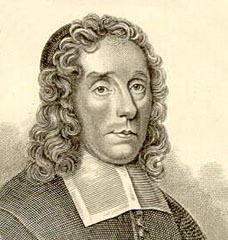
Victor Lanoux, born on June 18, 1936 in France, was a renowned actor. He had remarkable performances in both film and theater, known for his unique acting style and his ability to create diverse and memorable characters.
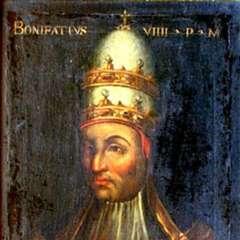
Pope Boniface VIII (born Benedetto Caetani, c. 1235 – October 11, 1303) was the 192nd Pope of the Roman Catholic Church, serving from 1294 to 1303. A member of the Italian Caetani noble family, he was known for his legal expertise and diplomatic skills. Boniface VIII is remembered for his fierce defense of papal authority against secular rulers, most notably King Philip IV of France. He issued the famous papal bull Unam Sanctam in 1302, declaring papal supremacy over all secular monarchs. His conflict with Philip IV over taxation rights led to his arrest and humiliation at Avignon in 1303, after which he died shortly thereafter. Boniface VIII is considered the last major representative of medieval papal temporal power.
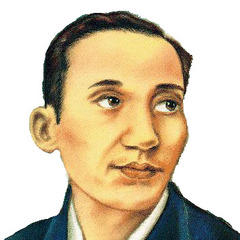
Apolinario Mabini, born on July 22, 1864, and died on May 13, 1903, was a prominent Filipino lawyer, politician, writer, and revolutionary figure, known as the Father of Philippine Democracy. He played a significant role in the Philippine independence movement, serving as the Minister of Justice in the revolutionary government and authoring the 'Freedom Constitution'.
Kent Bach is an American philosopher known for his research in cognitive science and philosophy of language. His work focuses on meaning, metaphor, and cognitive psychology.
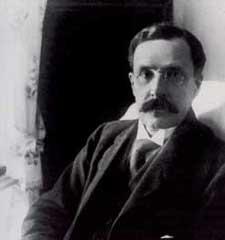
Augustus Hopkins Strong, an American theologian, was born on August 3, 1836, and passed away on November 29, 1921. He had a profound impact on the field of theology, particularly in the areas of Christian ethics and social theology.
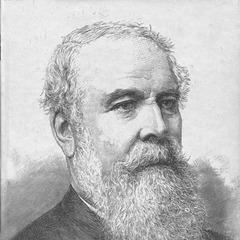
J. C. Ryle, the Bishop of Liverpool, was born on May 10, 1816, and died on June 10, 1900. He was a prominent religious leader in 19th-century England, known for his deep biblical scholarship and steadfast propagation of Christian faith.
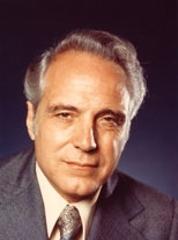
George Vandeman, born on October 21, 1916, was an influential American television evangelist. In the mid-20th century television era, he spread the Gospel through television programs, impacting countless viewers. Known for his passionate speeches and touching stories, Vandeman is considered one of the key figures in American television evangelism.
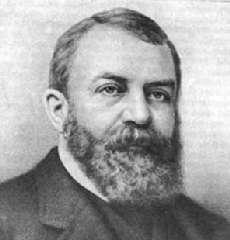
Dwight L. Moody was a prominent American evangelist, born on February 5, 1837, and died on December 22, 1899. He is known for his contributions to the spread of the Gospel and Christian education.
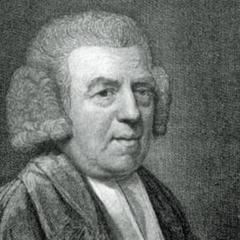
John Newton was an English writer known for his religious work 'The Parable of the Prodigal Son'. Born on July 24, 1725, he passed away on December 21, 1807. Newton's life was marked by transformation, moving from a tobacco merchant to a devout Christian and a priest in the Church of England.
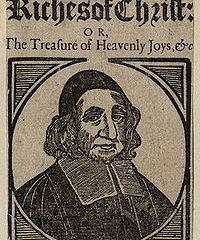
Thomas Brooks (1608-1680) was a prominent English author known for his religious and philosophical writings. His works held a significant place in 17th-century English literature and have had a profound impact on later generations.