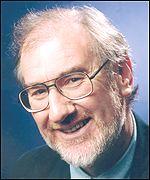
Brian Perkins
Brian Perkins, born on September 11, 1943, is a renowned figure in an unknown field. His life experiences and contributions are not well-documented, but his impact and evaluation in the field are highly regarded.
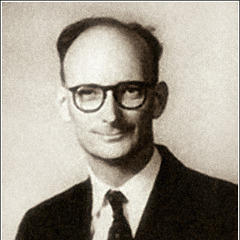
Brian Perkins, born on September 11, 1943, is a renowned figure in an unknown field. His life experiences and contributions are not well-documented, but his impact and evaluation in the field are highly regarded.
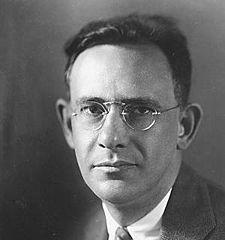
Edward Sapir was a prominent American anthropologist known for his profound research on language and culture. Born on January 26, 1884, and passing away on February 4, 1939, Sapir's work had a profound impact on the development of modern anthropology, particularly in the fields of linguistic anthropology and semiotics.
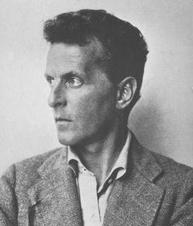
Ludwig Wittgenstein was one of the most important philosophers of the 20th century, renowned for his profound contributions to language, logic, and philosophical methods. His ideas have had a significant impact on the development of analytic philosophy and philosophy of language.
Charlton Laird (1901-1984) was a British novelist known for his distinctive literary style and profound insights into human nature. His works are typically set against the backdrop of social realism and explore themes such as class, gender, and power.
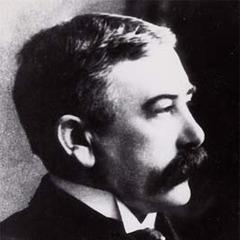
Ferdinand de Saussure, born on November 26, 1857 in Geneva, Switzerland, and died on February 22, 1913. He was a Swiss linguist and the founder of structuralism in linguistics, regarded as one of the most important linguists of the 20th century.
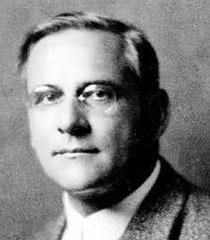
Moritz Schlick was a German philosopher and a key figure in the logical positivist movement. Born on April 14, 1882, and died on June 22, 1936, Schlick's philosophical ideas had a profound impact on 20th-century philosophy, particularly in the fields of scientific philosophy and philosophy of language.
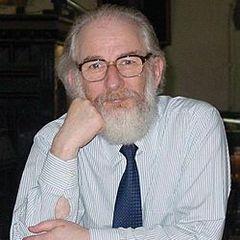
David Crystal is a distinguished British linguist, author, and broadcaster, born on July 6, 1941. He has made substantial contributions to linguistics through his extensive research and publications. Crystal has authored more than 100 books on language, grammar, and phonetics, and has presented numerous television and radio programs on these topics.

Vincent Gardenia was an American film actor renowned for his performances in both film and television. He was active in the mid-20th-century film industry, playing a variety of roles that showcased his unique acting style and profound emotional expression.
Calvin S. Hall was an American psychologist born in Michigan in 1909. He had a broad research interest in psychology, particularly in developmental psychology, personality psychology, and intelligence testing. Hall's academic career was marked by achievements, serving as the president of the American Psychological Association and receiving numerous honors for his contributions to the field of psychology.
Benjamin Lee Whorf was an American linguist born on April 24, 1897, and died on July 26, 1941. He is known for his research on the relationship between language and thought, particularly for his formulation of the Sapir-Whorf hypothesis.