
Bobby Baldwin
Bobby Baldwin, born in 1950, is an individual whose profession and category are unknown. His life experiences and contributions are currently limited in available information.

Bobby Baldwin, born in 1950, is an individual whose profession and category are unknown. His life experiences and contributions are currently limited in available information.
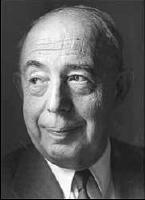
David Abrahamsen was a renowned author, born on June 23, 1903, and passed away on May 20, 2002. His works are known for their profound insights and unique literary style.

Asha-Rose Migiro is a notable Tanzanian politician, born on July 9, 1956. She has been a key figure in Tanzania's political scene, holding various roles within the government.
Andre Laurendeau was a renowned journalist. Born on March 21, 1912, and passing away on June 1, 1968, Laurendeau was known for his in-depth investigative reporting and keen insight into social issues.

Colman McCarthy is a distinguished American journalist born on March 24, 1938. He is recognized for his extensive work in investigative journalism, particularly focusing on social justice issues such as education and criminal justice reform.

Limited information is available about D. R. Karthikeyan, who is an individual with an unknown profession. The exact birth and death dates are not known.

Lucian Leape is a renowned physician whose life and contributions have had a significant impact in the field of medicine.

Robert F. Williams was an American author known for his contributions to the civil rights movement. His works often focused on racial relations and the black liberation movement, having a profound impact on future generations.

Keith Allen, a British actor born on June 2, 1953, is renowned for his versatile performances in film and television. He has participated in numerous notable works.
Umar II (November 2, 682 – February 720), full name Umar ibn Abd al-Aziz, was the fifth Umayyad Caliph, ruling from 717 to 720 CE. Known as "Umar the Pious," he is regarded as one of the most devout and reformist rulers in Umayyad history. During his short reign, Umar II implemented significant social and religious reforms, emphasizing piety, justice, and administrative integrity. He was celebrated for his personal austerity, reduction of court expenses, and compassionate treatment of non-Muslim subjects. Umar II's reign is often considered a golden age of the Umayyad Caliphate, and his reformist legacy deeply influenced subsequent Islamic rulers. He died in February 720 at the age of thirty-seven.