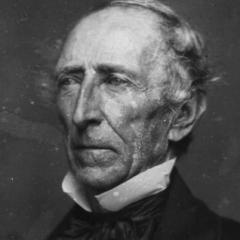
John Tyler
John Tyler served as the 10th President of the United States, born on March 29, 1790, and died on January 18, 1862. He is known for his unique political career and the policies during his presidency.
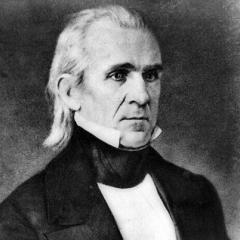
John Tyler served as the 10th President of the United States, born on March 29, 1790, and died on January 18, 1862. He is known for his unique political career and the policies during his presidency.
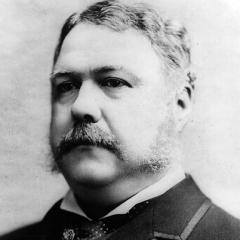
Chester A. Arthur served as the 21st President of the United States from 1881 to 1885. Born on October 5, 1829, in Fairfield, Vermont, and passing away on November 18, 1886, in New York City, his presidency was marked by his efforts to reform the civil service system and his response to the Ku Klux Klan.
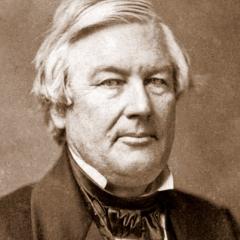
Millard Fillmore was the 13th President of the United States, serving from 1850 to 1853. He held various political positions throughout his career, including Governor of New York and Speaker of the House. Fillmore is known for his stance on the slavery issue and for signing the Kansas-Nebraska Act during his presidency, which led to the Kansas Territory conflict. His presidency was relatively short, but he remains an important figure in American history.
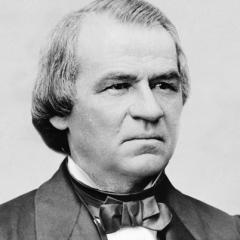
Andrew Johnson was the 17th President of the United States, serving from 1865 to 1869. He played a key role in the post-Civil War Reconstruction era. As President, Johnson implemented a series of Reconstruction policies, but his conflict with Congress ultimately led to him becoming the first president in U.S. history to be impeached.
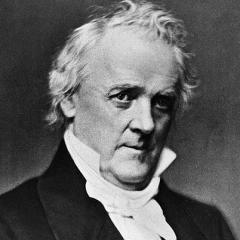
James Buchanan was the 15th President of the United States, born on April 23, 1791, and died on June 1, 1868. He served in various political roles, including as the U.S. ambassador to Russia and as the Secretary of the Treasury. Buchanan's presidency is marked by the outbreak of the Civil War, and his leadership and policy decisions have been widely criticized.
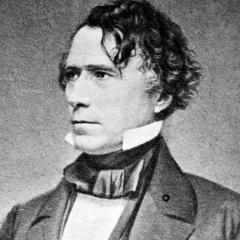
Franklin Pierce was the 14th President of the United States, serving from 1853 to 1857. His presidency was marked by economic depression and the issue of slavery. Born on November 23, 1804, he died on October 8, 1869.
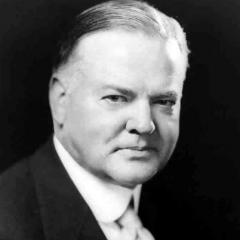
Herbert Hoover, the 31st President of the United States, was born on August 10, 1874, and died on October 20, 1964. A distinguished engineer, businessman, and philanthropist, he served as the United States Secretary of Commerce and as the Director of the United States Food Administration during World War I. As President, Hoover implemented a series of policies aimed at alleviating the Great Depression, but his approach was widely criticized.
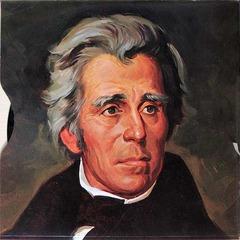
Andrew Jackson was the 7th President of the United States, born on March 15, 1767, and died on June 8, 1845. Known for his strong nationalism and democratic stance, he played a significant role in the expansion of the United States and the end of Native American resistance. During his presidency from 1829 to 1837, Jackson implemented democratic reforms, such as the abolition of the Electoral College and the promotion of westward expansion, which had a profound impact on American politics.
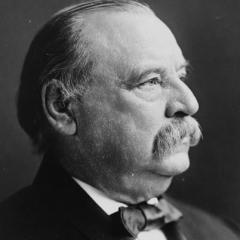
Grover Cleveland was the only U.S. President to serve two non-consecutive terms, from 1885 to 1889 and 1893 to 1897. During his presidency, he was committed to reducing government spending and balancing the budget, and he promoted various social reforms. Cleveland is known for his strong moral standards and political independence.
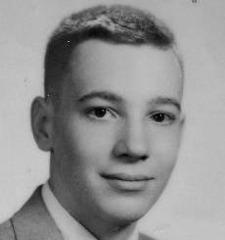
Ellery Schempp is a renowned physicist, born on August 5, 1940. He is known for his significant research contributions in the fields of quantum mechanics and particle physics.