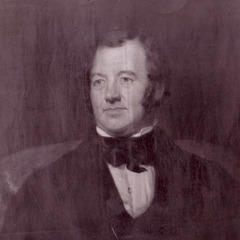
Joseph Brotherton
Joseph Brotherton was a notable British politician, born on May 22, 1783, and died on January 7, 1857. He served as a Member of Parliament and was instrumental in the passage of the Reform Act of 1832.
Joseph Brotherton was a notable British politician, born on May 22, 1783, and died on January 7, 1857. He served as a Member of Parliament and was instrumental in the passage of the Reform Act of 1832.

Stephen Russell is a professional actor, with limited information available regarding his birth and death dates.
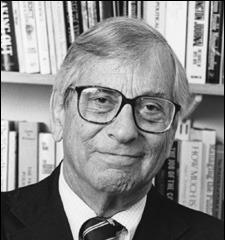
Richard Neustadt was an American political scientist known for his profound research on the presidency. His book 'The President: Executive' had a significant impact on understanding the role and power of the President of the United States.
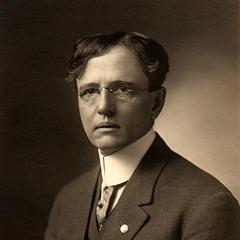
John R. Commons was an American economist born on October 13, 1862, and died on May 11, 1945. He had a profound impact on the field of economics, particularly in labor economics and socioeconomics.
Judith Rascoe is an American screenwriter born on April 17, 1941. Her works span a variety of genres, including theater, film, and television.
Robert Wiebe, whose birth and death dates are unknown, is a scholar whose profession and category are not specified. His biography and contributions are limited by available information.
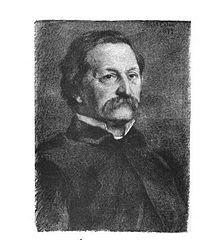
J. G. Holland was an American novelist renowned for his inspirational and Christian-themed works. Born on July 24, 1819, he crafted stories that offered hope and inspiration to readers. His novels often reflected his deep Christian faith and his belief in the power of the human spirit. Holland passed away on October 12, 1881, leaving behind a legacy of influential literature.
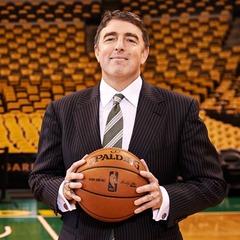
Wyc Grousbeck, born on June 13, 1961, is an individual active in an unknown field. His biography and contributions are currently limited, and detailed information is not available.
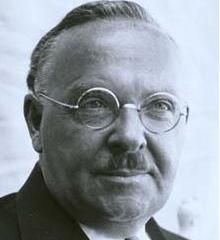
John Andrew Rice (February 1, 1888 – November 16, 1968) was an American educator and writer, best known as the founder of Black Mountain College. Born in South Carolina, he taught at several universities before establishing the experimental college in 1933, which emphasized art, democracy, and interdisciplinary learning. Rice's innovative approach influenced 20th-century American art and education. He also authored an autobiography, 'I Came Out of the Eighteenth Century,' reflecting his educational philosophy. His legacy remains significant in progressive education circles.
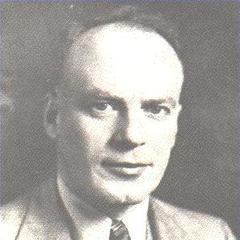
Jacob Viner was a prominent economist known for his contributions to the theory of international trade and monetary economics. His research had a profound impact on understanding international economic relations and exchange rate policies.