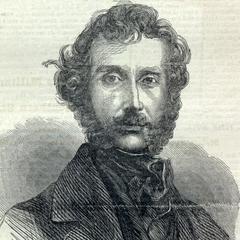
Edward Bulwer-Lytton, 1st Baron Lytton
British novelist known for his historical novels and Gothic tales, famous for works such as 'Peveril of the Peak' and 'Evelyn Hope'.
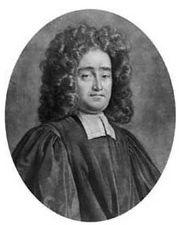
British novelist known for his historical novels and Gothic tales, famous for works such as 'Peveril of the Peak' and 'Evelyn Hope'.
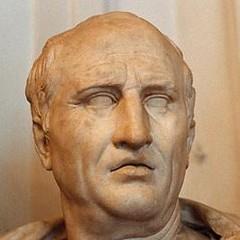
Marcus Tullius Cicero was a prominent philosopher, politician, lawyer, orator, and writer during the late Roman Republic. The exact dates of his birth and death are unknown, but he was active in the 1st century BC. Known for his profound thoughts and exceptional literary style, Cicero has had a lasting impact on Western culture.
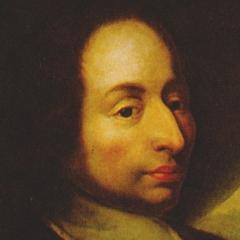
Blaise Pascal was a French mathematician, physicist, philosopher, and theologian. He was born on June 19, 1623, and died on August 19, 1662. Pascal's contributions to mathematics were particularly significant, with groundbreaking work in probability theory, analytical geometry, and early calculus.
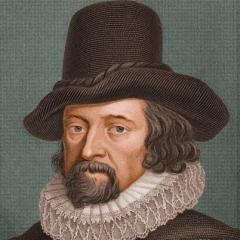
Francis Bacon, a renowned philosopher, politician, and writer, served as the Lord Chancellor of England. He is best known for his profound philosophical thoughts and extensive literary works, which have had a lasting impact on the world.
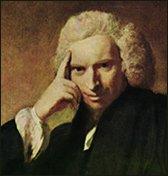
Laurence Sterne, born on November 24, 1713, and died on March 18, 1768, was a prominent English novelist of the 18th century. He is best known for his novel 'Tristram Shandy', which is considered a pioneer of modern fiction and is renowned for its unique narrative style and profound insights into human nature.
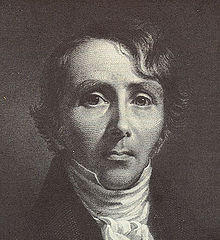
William Ellery Channing was an American preacher and theologian, born on April 7, 1780, and died on October 2, 1842. He played a significant role in the American religious reform movement and is known for his contributions to liberal theology.
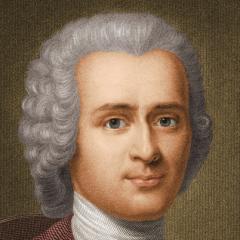
Jean-Jacques Rousseau was a French philosopher, writer, and composer, considered one of the most important figures of the Enlightenment. His works have had a profound impact on subsequent literature, political, and social theories.
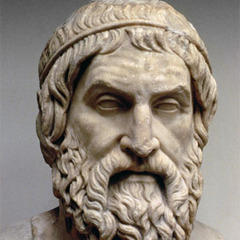
Sophocles, born in 498 BC and died in 406 BC, was a renowned Greek tragic playwright. He is one of the three greatest tragic poets of ancient Greece, alongside Aeschylus and Euripides. Sophocles' works profoundly revealed the complexity of human nature and social contradictions, exerting a profound influence on subsequent drama.
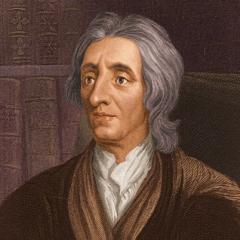
John Locke (August 29, 1632 - October 28, 1704) was an English philosopher, political theorist, and physician, considered one of the most influential figures of the Enlightenment. His ideas have had a profound impact on political philosophy, ethics, and epistemology.
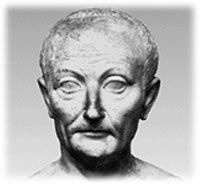
Ovid, born on March 20, 43 BC and died in 1 BC, was a renowned Roman poet of the ancient world. His works are diverse, including love poems, mythological poems, and satirical poems, with 'Metamorphoses' being his most famous work.