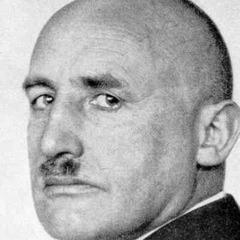
Julius Streicher
Julius Streicher was a German Nazi propagandist and publisher, born on February 12, 1885, and died on October 16, 1946. He was known for his extreme anti-Semitic views and his role in promoting Nazi propaganda during the Holocaust.
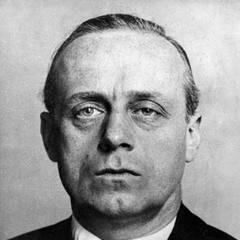
Julius Streicher was a German Nazi propagandist and publisher, born on February 12, 1885, and died on October 16, 1946. He was known for his extreme anti-Semitic views and his role in promoting Nazi propaganda during the Holocaust.
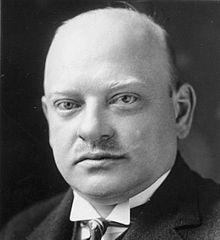
Gustav Stresemann was a prominent German politician known for his diplomatic policies and economic reconstruction efforts during the Weimar Republic. He served as Germany's Foreign Minister from 1919 to 1929 and played a crucial role in negotiating the reduction of Germany's war reparations and reconciliation with France.
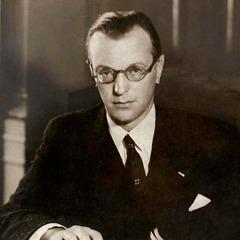
Arthur Seyss-Inquart was a prominent German politician during the Nazi era. Born on July 22, 1892, and died on October 16, 1946. He held several key positions in the Nazi regime, most notably as the Reichskommissar for the occupied Netherlands. His role in implementing anti-Semitic policies and war crimes during his tenure in the Netherlands led to his trial and execution by the Nuremberg International Military Tribunal.
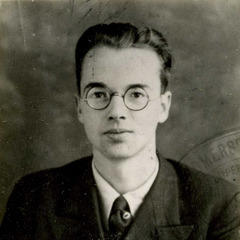
Klaus Fuchs was a German physicist who became a Soviet spy during his time working at Los Alamos National Laboratory. He was born on December 29, 1911, and died on January 28, 1988. Fuchs played a significant role in the development of the atomic bomb during World War II and provided critical information to the Soviet Union about the Manhattan Project, contributing to the arms race and the Cold War.
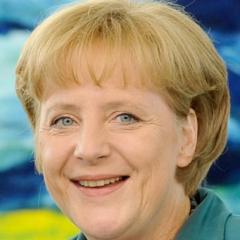
Former Chancellor of Germany and politician, born on July 17, 1954 in Hamburg, Germany. She is the first female Chancellor of Germany and served from 2005 to 2021. During her tenure, she led Germany through a series of domestic and international challenges, including the European debt crisis and the refugee crisis.
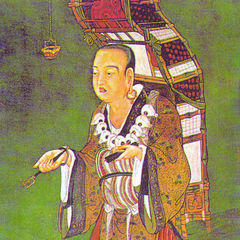
Xuanzang, a renowned Tang Dynasty Buddhist scholar and translator, was born in 602 and died on February 5, 664. He embarked on a perilous journey to India to seek Buddhist scriptures, returning after seventeen years with a vast collection of texts that profoundly influenced the development of Buddhism in China.
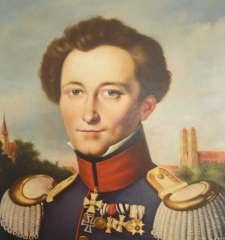
Carl von Clausewitz, born on July 1, 1780, and died on November 16, 1831, was a Prussian military theorist and historian. He is considered one of the founders of modern military theory. Clausewitz's most famous work, 'On War,' has had a profound impact on military strategy and warfare theory to this day.
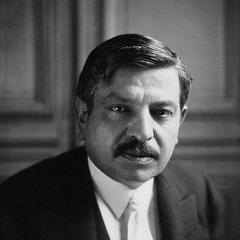
Pierre Laval was a French politician born on June 28, 1883, and died on October 15, 1945. He served as a prominent figure in French politics during the early to mid-20th century, holding several key political positions, including Prime Minister of France. Laval's political career was controversial, particularly for his collaboration with Germany during World War II, leading to his trial and execution after the war.
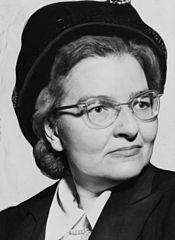
Sidney Robertson Cowell was a prominent American musicologist, record producer, and folklorist. Born in 1903, he made significant contributions to ethnomusicology and the preservation of folk music. Cowell's work with the Library of Congress and his own record label, Folkways Records, played a crucial role in popularizing folk music in the United States.
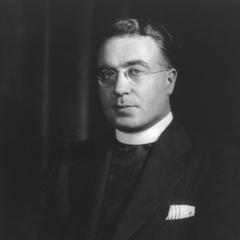
Charles Coughlin was a prominent American Catholic priest born on October 25, 1891, and died on October 27, 1979. He became one of the most popular radio hosts in the United States in the 1930s, known for his anti-Semitic and anti-communist remarks. His radio program, 'The Coughlin Program,' attracted a large audience and had a significant impact on American politics and society at the time.