
Richard Shusterman
Richard Shusterman, born in 1949, is a renowned philosopher from the United States. His research focuses on aesthetics, ethics, and critical theory, particularly known for his work on the study of aesthetic experience.
Richard Shusterman, born in 1949, is a renowned philosopher from the United States. His research focuses on aesthetics, ethics, and critical theory, particularly known for his work on the study of aesthetic experience.
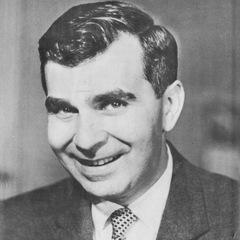
Max Shulman was an American writer born on March 14, 1919, and passed away on August 28, 1988. Known for his humorous writing style and diverse works, Shulman's writing spanned across various genres including novels, plays, and children's literature.
Moshe Feldenkrais was a physicist and pioneer in the field of human potential development. Known for his development of the Feldenkrais Method, a non-invasive body movement technique aimed at improving bodily function through increased body awareness and movement ability. Born on May 6, 1904, he passed away on July 1, 1984.
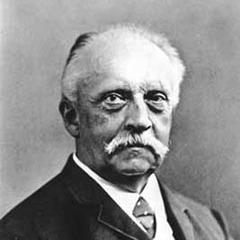
Hermann von Helmholtz was a German physicist, physiologist, and physician. He made significant contributions to the fields of physiology, physics, and philosophy, particularly in the theories of hearing and vision. His research had a profound impact on subsequent physiology and psychology.
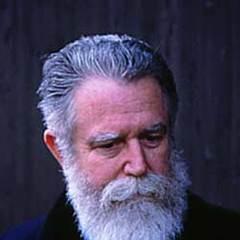
James Turrell is an American artist renowned for his innovative work in the field of light and space art. His works explore the relationship between human perception and space, creating unique visual experiences through light and color.
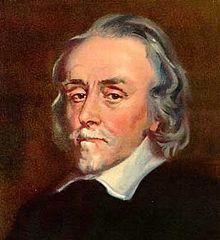
William Harvey was an English physician who is considered one of the founders of physiology. He is renowned for his discovery of the principle of the circulation of the blood, which revolutionized the field of medicine. Born on April 1, 1578, he died on June 3, 1657.
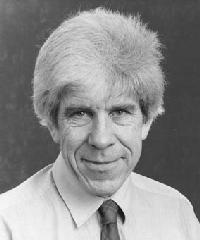
W. D. Hamilton was a British biologist renowned for his contributions to the field of evolutionary biology. He proposed the theory of sociobiology, particularly the concepts of kin selection and altruism, which had a profound impact on biology and psychology.
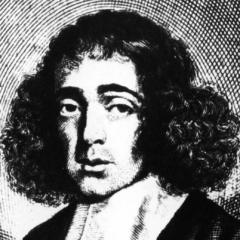
Baruch Spinoza, a 17th-century Dutch philosopher of Jewish descent, is renowned for his unique philosophical thoughts and critical analysis of religion. Spinoza's philosophy emphasizes the unity of reason, nature, and God, and has had a profound impact on Western philosophy.
Jons Jacob Berzelius was a Swedish chemist who made significant contributions to the development of chemistry. He is known for his work on atomic weights, chemical symbols, and the development of the modern system of chemical nomenclature. Berzelius also played a crucial role in the advancement of analytical chemistry and the study of organic chemistry.
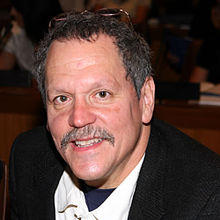
Jeffrey M. Schwartz is a renowned psychiatrist and psychologist, born in 1951. He has made significant contributions to the treatment and research of mental disorders, particularly in the areas of obsessive-compulsive disorder and anxiety disorder.