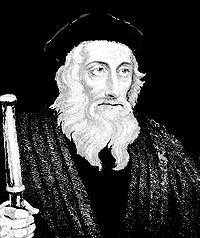
John Wycliffe
John Wycliffe was a 14th-century English philosopher, theologian, translator, and reformer. He is considered a pioneer in the English translation of the Bible and had a profound impact on the subsequent religious reform movements.
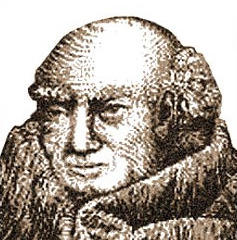
John Wycliffe was a 14th-century English philosopher, theologian, translator, and reformer. He is considered a pioneer in the English translation of the Bible and had a profound impact on the subsequent religious reform movements.

Paul Washer (born 1961) is an American Christian preacher, author, and missionary known for his uncompromising sermons emphasizing biblical authority, repentance, and grace. Born in Illinois, he experienced a conversion in his youth and later founded HeartCry Missionary Society, which supports indigenous missionaries worldwide. Washer's direct and often confrontational preaching style challenges modern Christian complacency, urging a return to core doctrines. His works, including "The Gospel's Power," have reached a global audience, particularly impacting young believers. Despite controversies, he remains a significant voice in contemporary Christianity, inspiring many to reexamine their faith foundations.
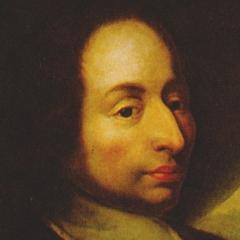
Blaise Pascal was a French mathematician, physicist, philosopher, and theologian. He was born on June 19, 1623, and died on August 19, 1662. Pascal's contributions to mathematics were particularly significant, with groundbreaking work in probability theory, analytical geometry, and early calculus.
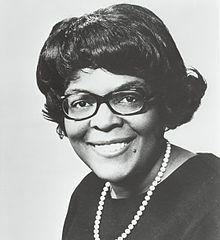
Cardiss Collins was an American politician who served as a member of the U.S. House of Representatives from Illinois. Born on September 24, 1931, she passed away on February 2, 2013. Collins was a prominent figure in the Democratic Party and made significant contributions to the advancement of civil rights and women's rights during her tenure.
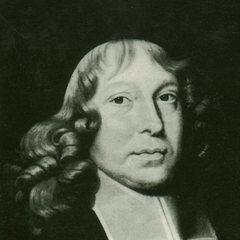
Samuel Rutherford was a 17th-century Scottish theologian and writer whose works had a profound impact on religious and political fields, particularly within the Protestant movement. He is known for his contributions to Christian ethics and political theory.
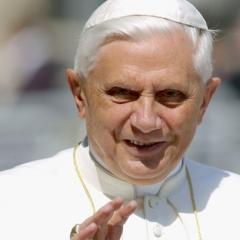
Pope Benedict XVI, born Joseph Aloisius Ratzinger, was the 265th Pope of the Roman Catholic Church, serving from 2005 to 2013. He had a deep academic background in philosophy and theology, serving as a Cardinal and President of the Pontifical Biblical Commission. During his papacy, Pope Benedict XVI worked to promote church reform and dialogue, emphasizing the importance of traditional doctrine while balancing conservative and reformist forces within the church.
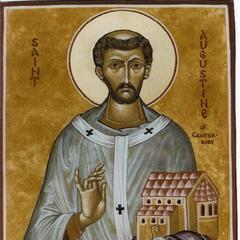
Saint Augustine, born on November 13, 354 in Tagaste, North Africa, and died on August 28, 430, was an influential Christian theologian, philosopher, and writer. He is considered one of the 'Fathers of the Church' and had a profound impact on Christian theology, philosophy, and Latin literature. His work 'Confessions' is a classic of Western literature, and his thoughts have had a lasting influence on Christian doctrine and Western culture.
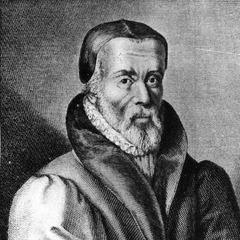
William Tyndale, born in 1494 in England, was a renowned biblical translator in the 16th century, who had a profound impact on English biblical translation.

Limited information is available about Robert Godfrey.
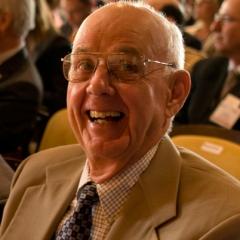
Wendell Berry, an American novelist born on August 5, 1934, is renowned for his profound descriptions of rural life and his critical views on modern industrial civilization.