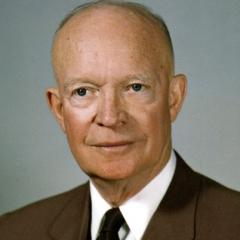
Dwight D. Eisenhower
English biography, 120-180 words
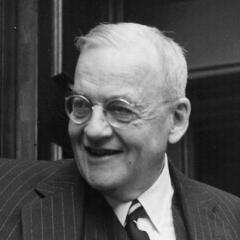
English biography, 120-180 words
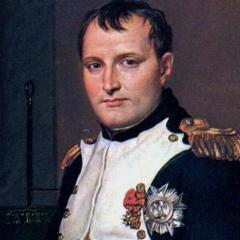
Napoleon Bonaparte, a military commander and statesman from France, was born on August 15, 1769, and died on May 5, 1821. He is a controversial historical figure who led a series of reforms in France and became a significant figure in French history.
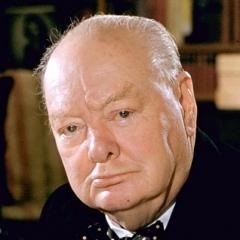
Winston Churchill, a former Prime Minister of the United Kingdom, was a statesman, historian, writer, and orator. He led the British people in resisting Nazi Germany during World War II and became a national hero. Churchill is renowned for his unique oratory style and steadfast political stance.
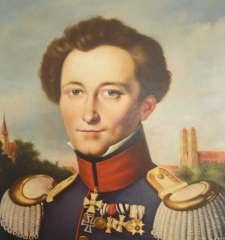
Carl von Clausewitz, born on July 1, 1780, and died on November 16, 1831, was a Prussian military theorist and historian. He is considered one of the founders of modern military theory. Clausewitz's most famous work, 'On War,' has had a profound impact on military strategy and warfare theory to this day.
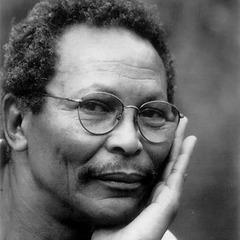
Earl Lovelace is a Jamaican novelist known for his profound insights into the social and cultural landscape of the Caribbean. His works often explore themes of race, class, and colonialism, with his most famous novel being 'The Dragon Can't Dance'.
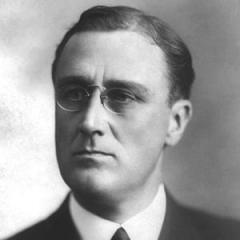
Franklin D. Roosevelt was the 32nd President of the United States, serving for 12 years, the longest tenure in U.S. history. He led the nation through the Great Depression and World War II, implementing a series of reform measures known as the New Deal.
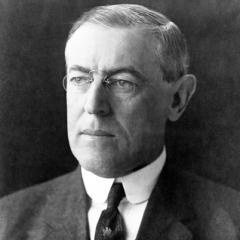
Woodrow Wilson was the 28th President of the United States, known for his foreign policy during World War I and his efforts at the Paris Peace Conference. He advocated for the New Freedom policy and had a deep academic background in history, politics, and economics.
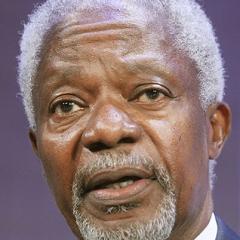
Kofi Annan, born on April 8, 1938, is an accomplished diplomat. He served in various significant roles at the United Nations, culminating in his tenure as the seventh Secretary-General. Known for his contributions to peace and security, Annan was awarded the Nobel Peace Prize.
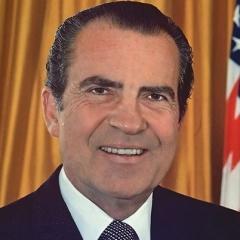
Richard Milhous Nixon (January 9, 1913 – April 22, 1994) was the 37th president of the United States, serving from 1969 to 1974. A Republican, he previously served as a U.S. representative and senator from California and as the 36th vice president under Dwight D. Eisenhower. Nixon is best known for his Cold War foreign policy, including the historic 1972 visit to China, détente with the Soviet Union, and the gradual withdrawal of U.S. troops from Vietnam. However, his presidency was overshadowed by the Watergate scandal, leading to his resignation—the only such case in U.S. history. His legacy remains complex, marked by significant diplomatic achievements and profound ethical failures.
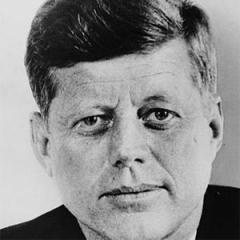
John F. Kennedy was the 35th President of the United States, serving from 1961 to 1963. His presidency was marked by the Civil Rights Act, the New Frontier policy, and the intense Cold War confrontation with the Soviet Union. Kennedy was known for his youthful charm and charisma, but his assassination during his term shocked the world.