Francis Howgill
Francis Howgill, born in 1618 and died on November 20, 1668, was an individual whose profession and category remain unknown.
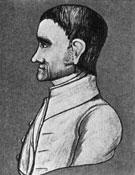
Francis Howgill, born in 1618 and died on November 20, 1668, was an individual whose profession and category remain unknown.
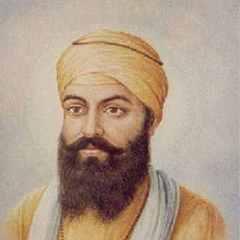
Guru Angad Dev Ji was the second of the ten Gurus in Sikhism, serving from 1552 to 1553. Born on March 31, 1504, and passing away on March 28, 1552, he is known for his significant contributions to the development of the Gurmukhi script and the expansion of Sikhism. Guru Angad Dev Ji was born as Bhai Lehna in Longowal, Punjab, India. He was the son of Guru Amar Das, the third Guru of the Sikhs. After the death of his father, he was chosen as the next Guru by Guru Amar Das. He is credited with creating the Gurmukhi script, which is the script used for writing Punjabi and the Sikh scriptures. His teachings emphasized simplicity, humility, and the pursuit of spiritual truth. Guru Angad Dev Ji's legacy has had a profound impact on Sikhism, shaping the religious and cultural identity of Sikhs and emphasizing the equality of all human beings.

Thomas S. Monson was an American author known for his religious works. Born on August 21, 1927, he gained recognition in the Mormon Church.
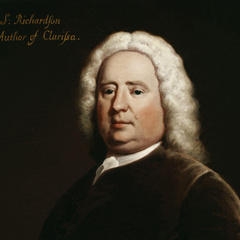
Samuel Richardson (August 19, 1689 - July 4, 1761) was an 18th-century English writer, widely regarded as one of the founders of the modern English novel. Born in London during the reign of James II, he initially worked in book printing and publishing before turning to writing. Richardson's major works include 'Pamela,' 'Clarissa,' and 'Sir Charles Grandison,' which are renowned for their psychological depth and vivid character development. He pioneered the use of diary and epistolary formats, allowing readers intimate access to characters' inner worlds. His novels were immensely popular in their time and significantly influenced the development of the novel form, particularly in psychological characterization and social commentary. Richardson's focus on moral instruction and feminine virtue reflected 18th-century English societal values.
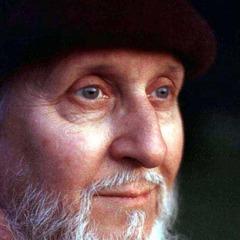
David Berg, an enigmatic figure with an unknown profession, was born on February 18, 1919, and passed away on October 1, 1994. His life story, achievements, and impact remain subjects of interest and debate.
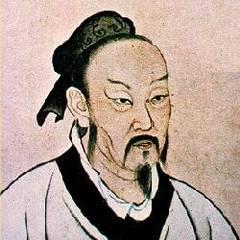
Mencius, also known as Meng Ke, was a renowned philosopher during the Warring States period of ancient China. He was one of the key figures in the Confucian school and his ideas on benevolent rule and people-centered governance had a profound impact on Chinese politics and culture.

William Penn, born on October 14, 1644, and died on July 30, 1718, was an English author, politician, and religious leader. He is renowned for his contributions to religious freedom and democratic politics, as well as for being the founder of the state of Pennsylvania.
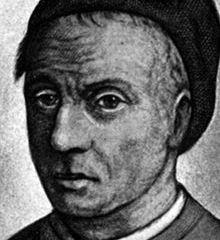
Thomas a Kempis (1380 - July 25, 1471) was a German canon, known for his spiritual writings. He is best known for his work 'The Imitation of Christ,' which has had a profound impact on Christian thought and practice.
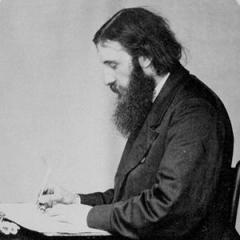
George MacDonald was a 19th-century Scottish author known for his fantasy literature and religious thought. His works had a profound influence on later writers, such as J.R.R. Tolkien and C.S. Lewis.
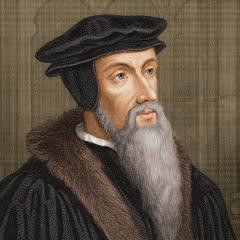
John Calvin (July 10, 1509 - May 27, 1564) was a significant figure in the 16th-century Protestant Reformation and the founder of the Calvinist branch of Protestantism. He was a theologian, philosopher, and Christian reformer whose theological ideas had a profound impact on subsequent generations.