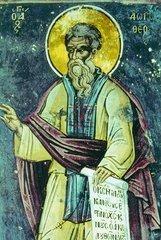
Dorotheus of Gaza
Dorotheus of Gaza (505-565 AD) was an influential Christian theologian and abbot. His life and achievements are shrouded in some mystery, but his writings hold significant importance in the field of Christian theology.
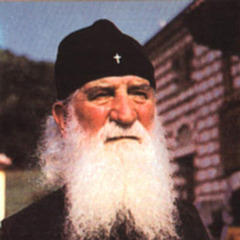
Dorotheus of Gaza (505-565 AD) was an influential Christian theologian and abbot. His life and achievements are shrouded in some mystery, but his writings hold significant importance in the field of Christian theology.
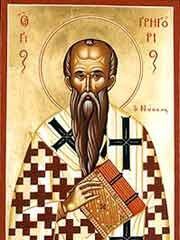
Gregory of Nazianzus (330-390 AD) was an influential Christian saint, theologian, and poet. He is renowned for his contributions to the doctrine of the Trinity within Christian theology. Born in Nazianzus, Asia Minor, he was the brother of Basil of Caesarea, another prominent theologian. His writings and sermons are still widely referenced in the Christian church today.
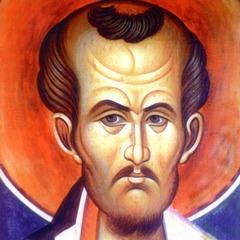
Saint John Chrysostom (c. 347 – September 14, 407) was an early Church Father and Archbishop of Constantinople, renowned for his eloquent preaching and oratory, earning the epithet 'Chrysostom' meaning 'golden-mouthed.' Born in Antioch, he received a classical education and later became a hermit. His sermons emphasized moral reform, social justice, and biblical exegesis, often criticizing luxury and corruption. His conflicts with the imperial court and clergy led to multiple exiles, and he died during a forced march. His extensive writings, including homilies, commentaries, and letters, profoundly influenced Eastern Christianity. He is venerated as a saint and Doctor of the Church in Eastern Orthodoxy, Catholicism, and other traditions.
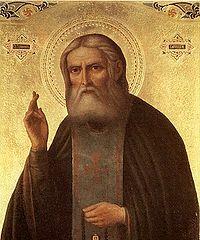
Seraphim of Sarov (August 1, 1754 – January 14, 1833) is one of the most venerated saints in the Russian Orthodox Church, renowned as a mystic and spiritual guide. Born in Kursk to a merchant family, he entered the Sarov Monastery at age 17. After years of extreme asceticism in the forest, including living alone in a hut and praying for a thousand nights on a rock, he became known for his humility and wisdom. In his later years, he received visitors, offering counsel on acquiring the Holy Spirit and inner peace. His teachings, especially the 'Acquisition of the Holy Spirit,' have deeply influenced Orthodox spirituality. He was canonized in 1903, and his relics are enshrined at the Sarov Monastery.
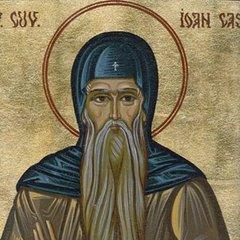
John Cassian (360-435 AD) was a prominent figure in early Christian history, known for his contributions to monasticism and theological thought. He spent his life primarily in Egypt, where he founded one of the first monasteries and became its abbot. Cassian is renowned for his deep understanding of monastic life and his influential writings on Christian doctrine.
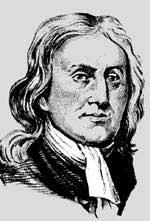
William Law, an English writer, was born in 1686 and died on April 9, 1761. His works covered various fields such as philosophy, religion, and morality, and had a profound impact on later generations.
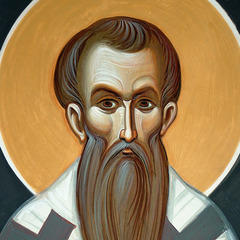
Saint Basil (330-379 AD) was a prominent theologian, monk, and church organizer in the early Christian Church. Born in Caesarea of Cappadocia, he was a member of the Basil family. Known for his strict monastic life and contributions to church organization, Saint Basil is celebrated for his reforms of church discipline and his influential writings on theology.
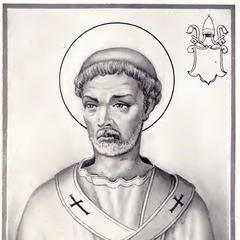
Pope Dionysius, the Bishop of Rome, died on December 26, 268. He was an important figure in the early Christian Church, having a profound impact on the organization and development of the Church.
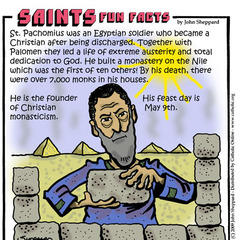
Pachomius the Great was a 3rd-century Christian monk, considered one of the founders of the monastic system in the Egyptian desert. Born in 292 and died in 348, Pachomius is renowned for his strict monastic life and profound theological insights. His contributions to the development of the monastic system have had a profound impact on Christianity.
Diadochos of Photiki is a historical figure who lived around 500 AD. Little is known about his identity and life.