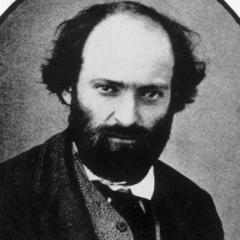
Paul Cezanne
Paul Cézanne, a French Post-Impressionist painter, was born on January 19, 1839, and died on October 22, 1906. Known as the father of modern painting, his works have had a profound impact on 20th-century art.
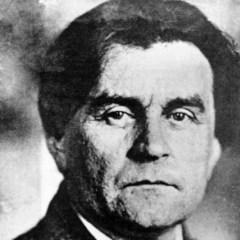
Paul Cézanne, a French Post-Impressionist painter, was born on January 19, 1839, and died on October 22, 1906. Known as the father of modern painting, his works have had a profound impact on 20th-century art.
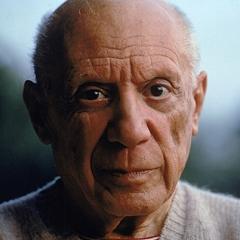
Spanish painter and one of the most influential figures in 20th-century art. Picasso is renowned for his unique artistic style and prolific career, encompassing various fields such as painting, sculpture, and printmaking. His paintings have gone through several phases, from the early Blue Period to the later Cubism, profoundly impacting 20th-century art.
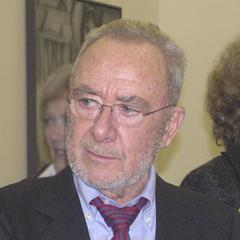
German visual artist known for his unique painting style and diverse creative techniques. Richter's works span a wide range of styles from abstraction to figuration, and his career has spanned over half a century, profoundly influencing contemporary art.
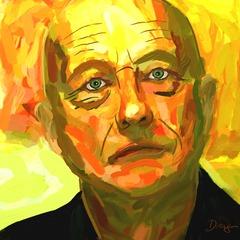
German painter known for his unique artistic style and reflections on German history. Baselitz's works often blend abstract and representational elements, characterized by strong colors and bold compositions.
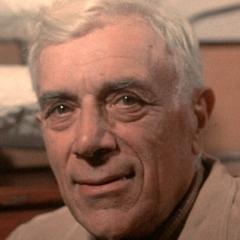
Georges Braque, born on May 13, 1882, and died on August 31, 1963, was one of the most famous painters of the 20th century. He co-founded the Cubist art movement with Picasso. Braque's paintings are known for their unique geometric shapes and color usage, which have had a profound impact on modern art.
Roger Bissiere, an individual who made significant contributions to the field of [Occupation/Category], was born on September 22, 1886, and passed away on December 2, 1964. His life and achievements are not well-documented.
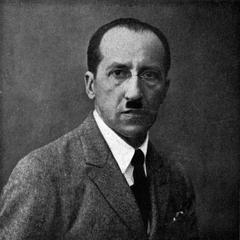
Piet Mondrian (March 7, 1872 – February 1, 1944) was a Dutch painter and a key figure in the De Stijl movement, renowned for his geometric abstract art. Initially influenced by Impressionism and Cubism, he developed Neoplasticism, a style using straight lines, right angles, and primary colors (red, yellow, blue) plus non-colors (black, white, gray). His iconic works like Composition with Red, Yellow, and Blue sought universal harmony through simplification. Mondrian's ideas profoundly impacted modern art, design, and architecture. He spent his final years in New York, creating vibrant pieces like Broadway Boogie Woogie, reflecting jazz rhythms. His legacy endures as a pioneer of abstraction, influencing fields from fashion to digital art.
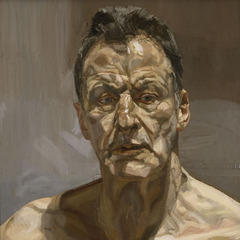
Lucian Freud, born on December 8, 1922 in Berlin, Germany, was a renowned British painter. Known for his profound depictions of human portraits, his works showcased the complexity and psychological states of individuals. Freud's painting style is unique, characterized by his fine brushstrokes and rich color layers. His works have earned high acclaim in the art world and have had a profound impact on contemporary art.
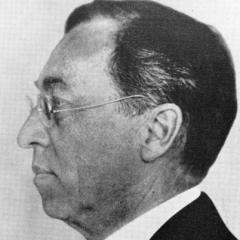
Wassily Kandinsky, born on December 16, 1866, and died on December 13, 1944, was a prominent artist from Russia. He is considered one of the pioneers of abstract art and his works have had a profound impact on 20th-century art.
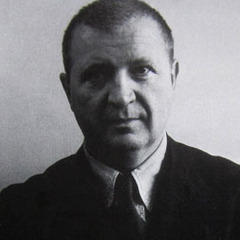
Ad Reinhardt, born on December 24, 1913, in Germany, and died on August 30, 1967, in the United States, was a renowned American abstract expressionist artist. Known for his minimalist black-toned works, he had a profound impact on the art world.