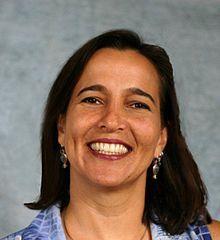
Joia Mukherjee
Joia Mukherjee, born in 1964, is an individual whose profession and category remain unknown. Specific details about her life and career are lacking.
Joia Mukherjee, born in 1964, is an individual whose profession and category remain unknown. Specific details about her life and career are lacking.
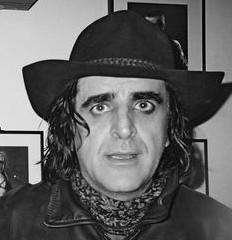
Jaz Coleman, born on February 26, 1960, is a British musician known for his role as the lead vocalist of the band Bauhaus, which was a pioneering force in punk rock and new wave music during the 1980s. Coleman is recognized for his distinctive voice and poetic lyrics, which have had a profound impact on musicians that followed.
Joost de Blank, born on November 14, 1908, and died on January 1, 1968, was an individual whose identity and profession remain unclear.
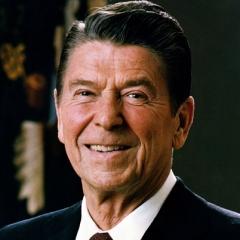
The 40th President of the United States, born on February 6, 1911, and passed away on June 5, 2004. Reagan's presidency was marked by economic prosperity and military strength, and he was known for his conservative political philosophy.
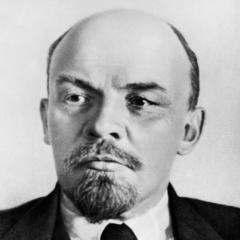
Vladimir Lenin was a Russian revolutionary, politician, Marxist theorist, and one of the founders of the Soviet Union. He played a crucial role in the Russian Revolution, leading the October Revolution of 1917, which overthrew the Tsarist regime and established the Soviet power. Lenin's ideas and theories had a profound impact on international politics in the 20th century.
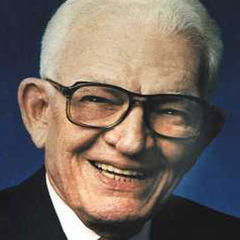
Juan Bosch, a former President of the Dominican Republic, was born on June 30, 1909, and passed away on November 1, 2001. He was a writer, politician, and social activist, known for his contributions to political and social reforms in the Dominican Republic.
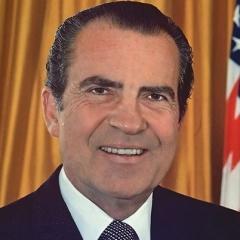
Richard Milhous Nixon (January 9, 1913 – April 22, 1994) was the 37th president of the United States, serving from 1969 to 1974. A Republican, he previously served as a U.S. representative and senator from California and as the 36th vice president under Dwight D. Eisenhower. Nixon is best known for his Cold War foreign policy, including the historic 1972 visit to China, détente with the Soviet Union, and the gradual withdrawal of U.S. troops from Vietnam. However, his presidency was overshadowed by the Watergate scandal, leading to his resignation—the only such case in U.S. history. His legacy remains complex, marked by significant diplomatic achievements and profound ethical failures.
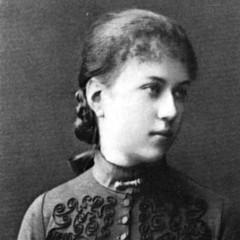
Alexandra Kollontai, born on March 31, 1872, and died on March 9, 1952, was an outstanding Soviet ambassador, social activist, and feminist. Known for her contributions to Soviet diplomacy, Kollontai served as the ambassador of the Soviet Union to Norway and Denmark. She was also a pioneer in the feminist movement, dedicated to advocating for women's rights and gender equality.
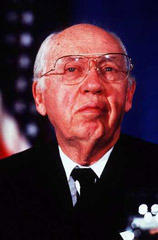
William J. Casey was a significant political figure in the mid-20th century. His professional identity and career remain unclear, but he played a crucial role on the international political stage.
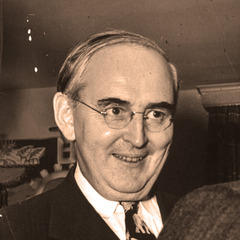
Arthur H. Vandenberg was a former U.S. Senator known for his significant role in American politics, particularly during and after World War II. Born on March 22, 1884, to a Dutch immigrant family, he passed away on April 18, 1951. His contributions to American foreign policy during this period were substantial.