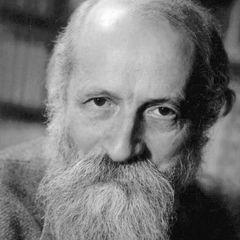
“The philosophical anthropologist ... can know the wholeness of the person and through it the wholeness of man only when he does not leave his subjectivity out and does not remain an untouched observer.” KnowsMenPersonsDoePhilosophicalWholenessObserversSubjectivityAnthropologists Book:Between Man and Man Source: Between Man and Man
“The salvation of man does not lie in his holding himself far removed from the worldly, but in consecrating it to holy, to divine meaning.” MenDoeLyingDivineHolySalvationWorldlyPaganism Book:Hasidism and modern man Source: Hasidism and modern man
“To love God truly, one must first love man. And if anyone tells you that he loves God and does not love his fellow-man, you will know that he is lying.” IfsKnowsMenFirstsDoeLyingFellowsGod LoveFirst LoveFellow Man Author:Martin Buber
“He who desires to become aware of the hidden light must lift the feeling of fear up to its source. And he can accomplish this if he judges himself and all he does. For then he sheds all fears and lifts fear that has fallen down. But if he does not judge himself, he will be judged from on high, and this judgment will come upon him in the guise of countless things, and all the things in the world will become messengers of God who carry out the judgment on this man.” IfsMenWorldDoeFeelingsLightDesireJudgingSourceJudgmentAccomplishLiftsFallenJudgedShedMessengersGuiseMessenger Of God Author:Martin Buber
“When I confront a human being as my Thou and speak the basic word I-Thou to him, then he is no thing among things nor does he consist of things. He is no longer He or She, a dot in the world grid of space and time, nor a condition to be experienced and described, a loose bundle of named qualities. Neighborless and seamless, he is Thou and fills the firmament. Not as if there were nothing but he; but everything else lives in his light.” IfsWorldHumansDoeLightSpeakHuman BeingsSpaceQualityConditionsEmpathyTime And SpaceDotsBundlesGridsFirmamentSeamless Author:Martin Buber
“This is the eternal origin of art that a human being confronts a form that wants to become a work through him. Not a figment of his soul but something that appears to the soul and demands the soul's creative power. What is required is a deed that a man does with his whole being.” MenWantHumansDoeArtSoulWholeFormHuman BeingsCreativeDemandEternalDeedsCreative PowerFigments Book:I and Thou Source: I and Thou
“To look away from the world, or to stare at it, does not help a man to reach God; but he who sees the world in Him stands in His presence.” MenWorldLooksDoeHelpingStaring Book:To Hallow this Life: An Anthology Source: To Hallow this Life: An Anthology
“Feelings dwell in man; but man dwells in his love. That is no metaphor, but the actual truth. Love does not cling to the I in such a way as to have the Thou only for its " content," its object; but love is between I and Thou. The man who does not know this, with his very being know this, does not know love; even though he ascribes to it the feelings he lives through, experiences, enjoys, and expresses.” KnowsMenWayDoeFeelingsEnjoyLove IsObjectsMetaphorHis LoveTruth Love Book:I and Thou Source: I and Thou
“One should hallow all that one does in one's natural life. One eats in holiness, tastes the taste of food in holiness, and the table becomes an altar. One works in holiness, and raises up the sparks which hide themselves in all tools. One walks in holiness across the fields, and the soft songs of all herbs, which they voice to God, enter into the song of our soul.” ShouldDoeSoulSongVoiceNaturalWalksFieldsTasteWorshipToolsRaisesTablesHolinessSparksAltarsHerbsRaise UpNatural Life Author:Martin Buber
“But it can also happen, if will and grace are joined, that as I contemplate the tree I am drawn into a relation, and the tree ceases to be an It. . . . Does the tree then have consciousness, similar to our own? I have no experience of that. But thinking that you have brought this off in your own case, must you again divide the indivisible? What I encounter is neither the soul of a tree nor a dryad, but the tree itself.” IfsThinkingDoeSoulHappensConsciousnessCasesGraceTreeRelationCeaseContemplationEncountersDividesContemplatingYou AgainIndivisible Author:Martin Buber
“From my youth onwards I have found in Jesus my great brother. That Christianity has regarded and does regard him as God and Savior has always appeared to me a fact of the highest importance which, for his sake and my own, I must endeavor to understand . . . I am more than ever certain that a great place belongs to him in Israel's history of faith and that this place cannot be described by any of the usual categories.” DoeFactsCertainFoundJesusChristMy OwnChristianityYouthBrotherHighestJesus ChristImportanceRegardSakeIsraelEndeavorCategoriesSaviorUsual Author:Martin Buber
“Everything depends on inner change; when this has taken place, then, and only then does the world change.” WorldDoeTakenDepends Author:Martin Buber