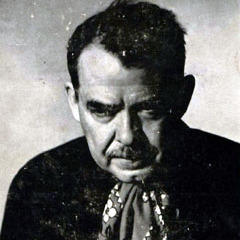
William Seabrook
William Seabrook was an American journalist known for his reports on primitive cultures and exploration. He was born on February 22, 1884, and died on September 20, 1945.
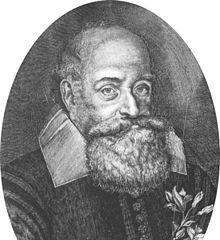
William Seabrook was an American journalist known for his reports on primitive cultures and exploration. He was born on February 22, 1884, and died on September 20, 1945.
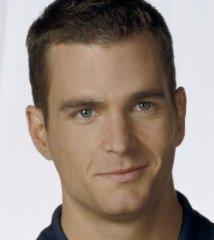
David Strickland was a talented actor whose career, though brief, left a lasting impression. He showcased exceptional acting skills in various film and television projects, winning the hearts of audiences.
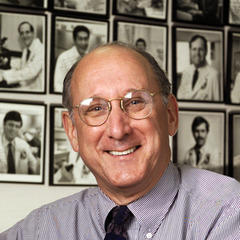
Steven Rosenberg, born on August 2, 1940, is a renowned American surgeon. He has made significant contributions to the field of cancer treatment, particularly in the research of using the immune system to combat cancer.
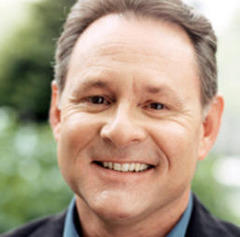
Steve Mirsky is an individual born in 1972, with an unknown profession. Detailed information about him is currently limited.
Judah ben Samuel of Regensburg was a Jewish-German author born in 1140 and died in 1217. He is known for his profound insights into Judaism and Christianity, and his works had a significant impact on the European academic community of his time.
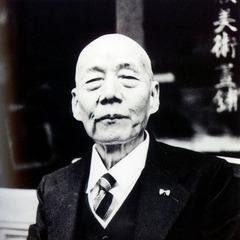
Limited information is available about Shozaburo Watanabe, who was born in 1885 and died in 1945. His profession and category are unknown.
Edwin J Delattre, born in 1941, is an individual whose profession and category are unknown. Details about his life and achievements are limited.
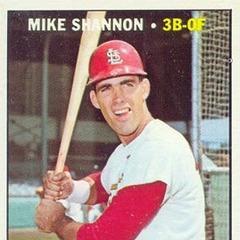
Mike Shannon, born on July 15, 1939, is a renowned baseball player. He is known for his exceptional hitting skills and solid defensive performance throughout his career.
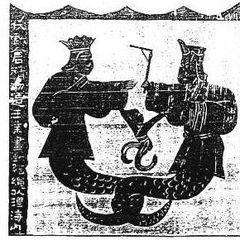
Fuxi is a significant figure in Chinese mythology, considered one of the ancestors of the Chinese nation. He is said to have been a human-headed snake-bodied figure who taught people to fish and raise livestock, and created the Bagua, which had a profound impact on later generations.
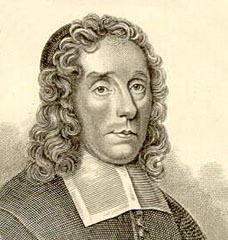
Increase Mather (June 21, 1639 – August 23, 1723) was a prominent New England Puritan minister, scholar, and president of Harvard College. Born in the Massachusetts Bay Colony to a distinguished ministerial family, he was educated at Harvard and later in Ireland and England. He served as pastor of Boston's North Church for 57 years and was a key figure in religious reform, education, and colonial politics. He played a controversial role in the Salem witch trials, initially supporting them but later opposing the use of spectral evidence. He also successfully negotiated a new charter for the Massachusetts Colony in England. Mather's legacy as a religious leader, educator, and political representative endures in early American history.