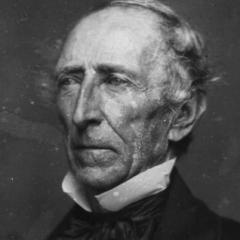
John Tyler
John Tyler served as the 10th President of the United States, born on March 29, 1790, and died on January 18, 1862. He is known for his unique political career and the policies during his presidency.
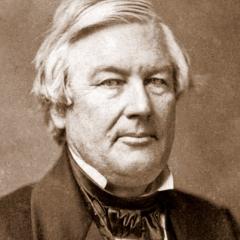
John Tyler served as the 10th President of the United States, born on March 29, 1790, and died on January 18, 1862. He is known for his unique political career and the policies during his presidency.
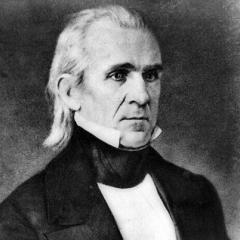
James K. Polk was the 11th President of the United States, serving from 1845 to 1849. Known for his foreign policy and the expansion of the United States' territory, he is particularly remembered for his role in the Mexican War, which significantly increased the country's land area.
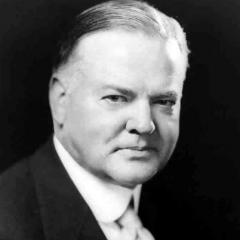
Herbert Hoover, the 31st President of the United States, was born on August 10, 1874, and died on October 20, 1964. A distinguished engineer, businessman, and philanthropist, he served as the United States Secretary of Commerce and as the Director of the United States Food Administration during World War I. As President, Hoover implemented a series of policies aimed at alleviating the Great Depression, but his approach was widely criticized.
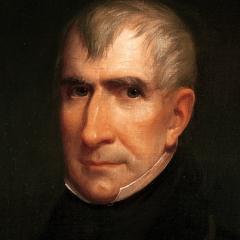
William Henry Harrison was the 9th President of the United States, born on February 9, 1773, and died on April 4, 1841. He served as a distinguished officer in the American Revolutionary War and later became a diplomat and politician. Harrison's presidency was the shortest in U.S. history, but during his brief tenure, he promoted territorial expansion and foreign policy.
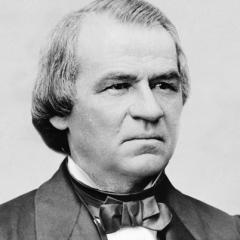
Andrew Johnson was the 17th President of the United States, serving from 1865 to 1869. He played a key role in the post-Civil War Reconstruction era. As President, Johnson implemented a series of Reconstruction policies, but his conflict with Congress ultimately led to him becoming the first president in U.S. history to be impeached.
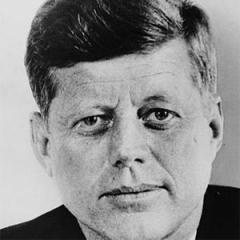
John F. Kennedy was the 35th President of the United States, serving from 1961 to 1963. His presidency was marked by the Civil Rights Act, the New Frontier policy, and the intense Cold War confrontation with the Soviet Union. Kennedy was known for his youthful charm and charisma, but his assassination during his term shocked the world.
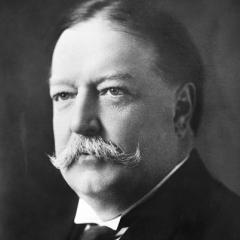
William Howard Taft was the 27th President of the United States, serving from 1909 to 1913. Born on September 15, 1857, and passing away on March 8, 1930, Taft was known for his dedication to maintaining law and order and for pushing for various reforms during his presidency. After leaving office, he remained active in politics and law, serving as a Justice of the Supreme Court of the United States.

Dinesh Sharma, born on January 12, 1964, is an individual whose identity and profession are not yet clearly defined.
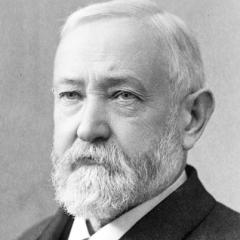
Benjamin Harrison was the 23rd President of the United States, serving from 1889 to 1893. Born on August 20, 1833, and passing away on March 13, 1901, Harrison was known for his efforts to promote national infrastructure and reforms during his presidency. His term was marked by the push for railway and postal system improvements, and his policies had a lasting impact on the development of the United States.
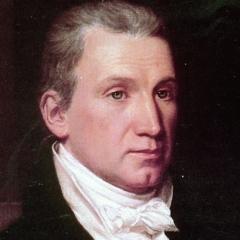
James Monroe was the fifth President of the United States, serving from 1817 to 1825. He was a significant figure in American politics and diplomacy, particularly for his role in shaping U.S. foreign policy, including the formulation of the Monroe Doctrine. During his presidency, Monroe pushed for the acquisition of the Louisiana Territory and promoted the expansion of the United States westward.