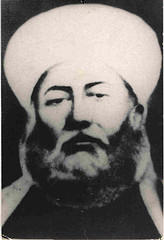
Al-Shafi‘i
Al-Shafi‘i (767-820 AD) was an influential Islamic jurist, theologian, and philosopher, known as the founder of the Shafi'i school of Islamic jurisprudence. His works and ideas have had a profound impact on the development of Islamic law.
Al-Shafi‘i (767-820 AD) was an influential Islamic jurist, theologian, and philosopher, known as the founder of the Shafi'i school of Islamic jurisprudence. His works and ideas have had a profound impact on the development of Islamic law.
Limited information is available about Nuh Ha Mim Keller, born in 1954. His identity and career are unknown, and his life experiences and contributions are not well-documented.

Al-Ghazali (1058-December 19, 1111) was an influential Islamic theologian and philosopher. His works had a profound impact on medieval Islamic philosophy and theology.
Ali ibn Abi Talib, born on March 17, 599 AD and died on January 27, 661 AD, was a prominent companion and successor to the Prophet Muhammad, serving as the second Caliph of the Rashidun Caliphate. He held a significant position in Islamic history and was revered as 'the True Servant of God'. Ali made remarkable contributions in politics, military, and religion, which had a profound impact on the development of Islam.

Rabia Basri was a historical figure who lived from 713 to 801. The specific profession or category of Rabia Basri is unknown. Limited information suggests she may have been a scholar or religious leader.

Abul Hasan Ali Hasani Nadwi was a prominent Islamic scholar in the 20th century, known for his extensive research in fields such as Islamic jurisprudence, history, and philosophy, which had a profound impact on subsequent scholars.
Abd al-Ghani al-Nabulsi is an individual of an unknown profession/category who was active during the 17th to 18th centuries. Born in March 1641 and died on March 5, 1731, specific details about his life and achievements are limited.
Ahmad ibn Ajiba, a figure who lived from 1747 to 1809, his specific occupation and category are unknown. His life and achievements are not well-documented.

Ibn Ata Allah, also known as Muhammad ibn Muhammad ibn 'Ata Allah al-Iskandari, was a prominent Arab philosopher, theologian, and writer during the 13th to 14th centuries. He was a significant figure in Sufism and his works covered various fields such as philosophy, theology, and mysticism, which had a profound impact on later generations.
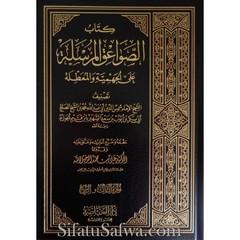
Ibn Qayyim Al-Jawziyya was a distinguished medieval Islamic scholar, jurist, and theologian. Born on January 28, 1292, and deceased on September 15, 1350, he made substantial contributions to various fields of Islamic knowledge. His works on fiqh, hadith, and tasawwuf have had a lasting impact on Islamic thought and practice.