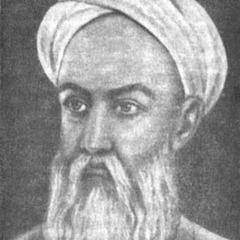
Avicenna
Avicenna, also known as Ibn Sina, was one of the most prominent philosophers and physicians in the Islamic world during the Middle Ages. Born on August 9, 980, he had a profound impact on later generations.
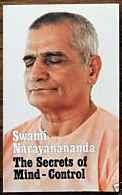
Avicenna, also known as Ibn Sina, was one of the most prominent philosophers and physicians in the Islamic world during the Middle Ages. Born on August 9, 980, he had a profound impact on later generations.
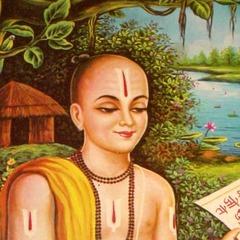
Tulsidas, a renowned Indian poet, was born in 1497 and died in 1623. His poetry has a significant place in the history of Indian literature and is hailed as the 'Father of Indian Epics'. His masterpiece, 'Ramayana', has had a profound impact on subsequent generations.
Edgar Pangborn was an American writer known for his science fiction and fantasy works. His unique style and profound exploration of social issues have earned him acclaim.
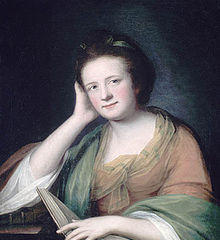
Frances Brooke was an English novelist known for her seminal work 'The History of Montgomerie'. Her novels typically portrayed the customs and morality of 18th-century English society from a female perspective.
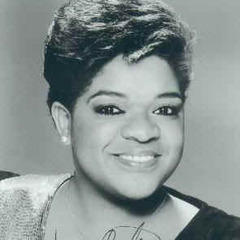
Nell Carter was an American singer, actress, and comedian, renowned for her versatile vocal range and energetic performances. She rose to fame for her role as Effie White in the 1982 film adaptation of 'A Chorus Line'. Carter's career spanned several decades, and she was celebrated for her contributions to the entertainment industry.
William Thomas Councilman, born on January 1, 1854, and died on May 26, 1933. His profession and category are unknown, and detailed information is limited.
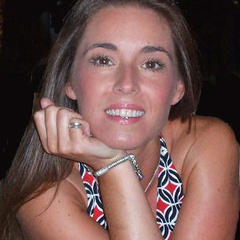
Jane Brereton, a renowned English poet, lived from 1685 to 1740. Her poetry is known for its delicate emotions and profound thoughts, which have had a significant impact on later poets.
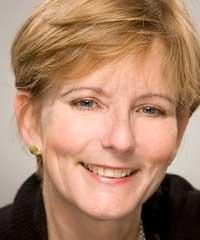
Lisa Sanders is an American physician known for her contributions to the field of diagnostic medicine. She edits the 'Diagnosis' column in The New York Times, where she analyzes complex medical cases and turns them into educational and inspirational tools for others. She has authored books on diagnostic medicine that further promote her diagnostic philosophy and methods.
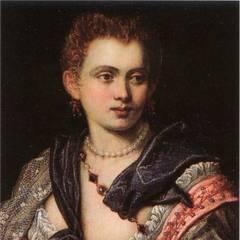
Veronica Franco, born in 1546 and died in 1591, was a prominent female poet of the Italian Renaissance. Her poetry is renowned for its profound emotion and exquisite technique, and she is considered one of the representative figures of female literature in Italy.
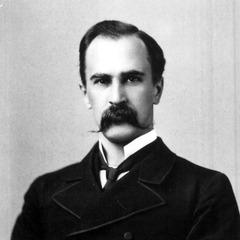
William Osler was a renowned Canadian physician, considered one of the founders of modern medical education. Born on July 12, 1849, he passed away on December 29, 1919. Osler made significant contributions to the fields of pathology, clinical medicine, and medical education.