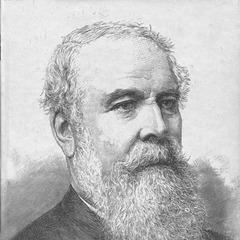
J. C. Ryle
J. C. Ryle, the Bishop of Liverpool, was born on May 10, 1816, and died on June 10, 1900. He was a prominent religious leader in 19th-century England, known for his deep biblical scholarship and steadfast propagation of Christian faith.
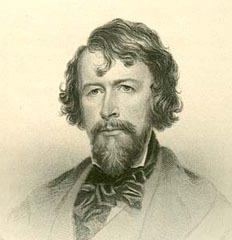
J. C. Ryle, the Bishop of Liverpool, was born on May 10, 1816, and died on June 10, 1900. He was a prominent religious leader in 19th-century England, known for his deep biblical scholarship and steadfast propagation of Christian faith.
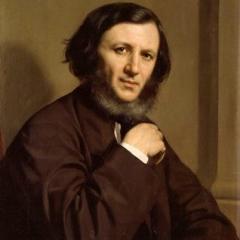
Robert Browning was a prominent Victorian poet known for his intricate poetic structures and profound psychological insights. His works covered themes such as love, death, religion, and morality, and had a profound impact on later poets.
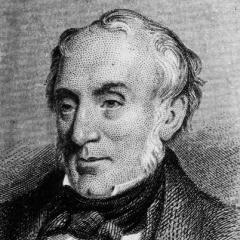
William Wordsworth was an English Romantic poet, born on April 7, 1770, in Cockermouth, and died on April 23, 1850. His poetry is renowned for its depiction of natural landscapes and profound expression of personal emotions and inner world.
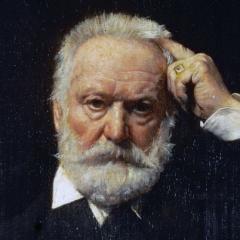
Victor Hugo, a French romantic poet, novelist, and playwright, was born on February 26, 1802, and died on May 22, 1885. He is considered one of the greatest writers in French literary history, known for his profound humanistic concerns and rich imagination.
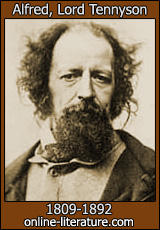
Alfred Lord Tennyson was a prominent British Romantic poet known for his poetry that depicted nature, love, and heroism. His works, including 'In Memoriam A.H.H.' and 'Ulysses', are celebrated for their beauty and depth of emotion.
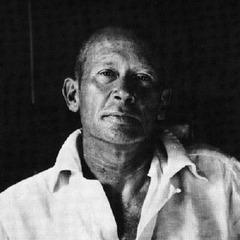
E. E. Cummings was an American poet known for his unique poetic style and linguistic innovation. His works are typically presented in free verse, emphasizing colloquialism and personal expression. Cummings' poetry often breaks traditional grammatical rules, using innovative spelling and punctuation to create unique visual and auditory effects.
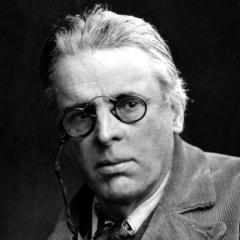
William Butler Yeats was an Irish poet, dramatist, and essayist, considered one of the greatest poets of the 20th century. His poetry deeply reflected the nationalist sentiments of Ireland and also showcased rich imagination and profound philosophical thinking. Yeats' poetic style was versatile, evolving from early romanticism to late symbolism, and his works have had a profound impact on literature both in Ireland and around the world.
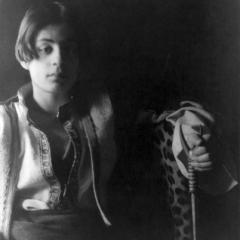
Khalil Gibran, born on January 6, 1883, and died on April 10, 1931, was a renowned Lebanese poet, painter, and philosopher. His works are known for their profound philosophy and unique artistic style, with notable titles including 'The Prophet'.
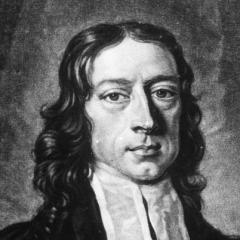
John Wesley (June 17, 1703 - March 2, 1791) was an influential British theologian and priest, one of the founders of the Methodist movement. Known for his work in popularizing and reforming Christianity, especially in America and Britain, Wesley emphasized the practice of personal faith and the improvement of moral living, which had a profound impact on the later Evangelical movement.
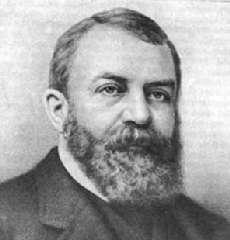
Dwight L. Moody was a prominent American evangelist, born on February 5, 1837, and died on December 22, 1899. He is known for his contributions to the spread of the Gospel and Christian education.