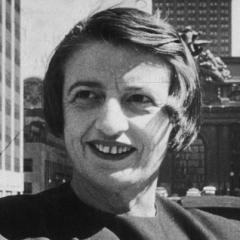
Ayn Rand
American novelist and philosopher, known for her novels and philosophical ideas. Her works emphasize individualism, free markets, and rationalism, and have had a profound impact on politics and philosophy in the late 20th century.
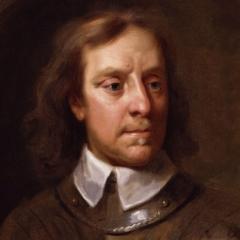
American novelist and philosopher, known for her novels and philosophical ideas. Her works emphasize individualism, free markets, and rationalism, and have had a profound impact on politics and philosophy in the late 20th century.
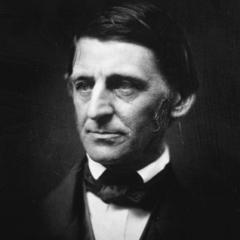
American essayist, poet, and philosopher. Born on May 25, 1803, and died on April 27, 1882. Known for his transcendentalist philosophy, his works have had a profound impact on literature and the intellectual world.
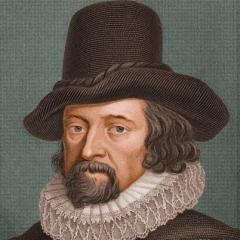
Francis Bacon, a renowned philosopher, politician, and writer, served as the Lord Chancellor of England. He is best known for his profound philosophical thoughts and extensive literary works, which have had a lasting impact on the world.
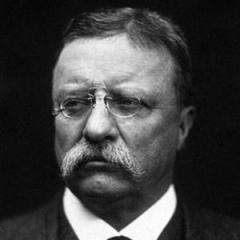
Theodore Roosevelt was the 26th President of the United States, serving from 1901 to 1909. A progressive leader, he is known for his advocacy of the conservation movement, expansion of federal government regulation, and efforts to improve the lives of American citizens.
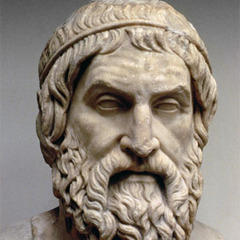
Sophocles, born in 498 BC and died in 406 BC, was a renowned Greek tragic playwright. He is one of the three greatest tragic poets of ancient Greece, alongside Aeschylus and Euripides. Sophocles' works profoundly revealed the complexity of human nature and social contradictions, exerting a profound influence on subsequent drama.
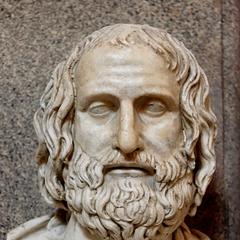
Euripides, a renowned Greek tragic playwright, is one of the three great tragic poets of ancient Greece, alongside Aeschylus and Sophocles. His life and achievements are not well-documented.
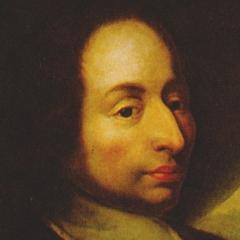
Blaise Pascal was a French mathematician, physicist, philosopher, and theologian. He was born on June 19, 1623, and died on August 19, 1662. Pascal's contributions to mathematics were particularly significant, with groundbreaking work in probability theory, analytical geometry, and early calculus.
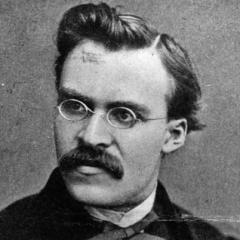
Friedrich Nietzsche was a German philosopher, cultural critic, poet, and writer whose works have had a profound impact on subsequent philosophy, literature, and thought. His ideas revolve around concepts such as the 'will to power', the 'Übermensch', and the 'eternal recurrence'.
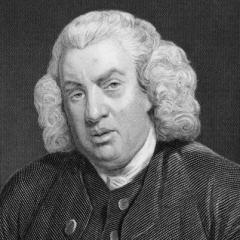
Samuel Johnson was an English writer, poet, and lexicographer, renowned for his comprehensive English dictionary, 'A Dictionary of the English Language', published in 1755. His distinctive writing style and wit have cemented his place as a significant figure in the history of English literature.
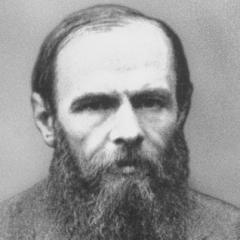
A renowned Russian novelist and a pioneer of psychological novels. His works deeply reveal the complexity of human nature and the injustice of society, having a profound impact on literature worldwide.