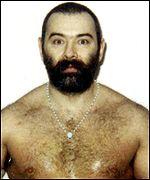
Charles Salvador
Charles Salvador, born on December 6, 1952, is a renowned artist known for his unique style and profound reflections on social issues.
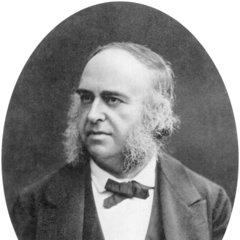
Charles Salvador, born on December 6, 1952, is a renowned artist known for his unique style and profound reflections on social issues.
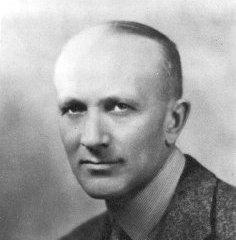
Wilder Penfield was a renowned medical doctor known for his contributions to neurosurgery. Born on January 26, 1891, and passing away on April 5, 1976, Penfield made significant strides in the field of epilepsy and brain function localization. His work had a profound impact on modern neuroscience, and he is regarded as an outstanding scientist whose research revolutionized the medical field.
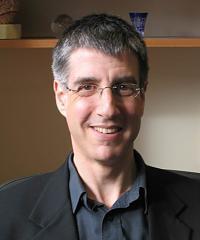
Limited information is available about Daniel Wolpert, who was born on September 8, 1963. He is an individual of an unknown profession.
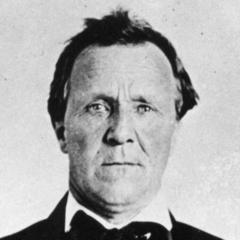
Lewis Thomas was a renowned American physician, writer, and scientist. Born on November 25, 1913, and died on December 3, 1993. He was known for his contributions to medicine and scientific writing, serving as the director of Memorial Sloan Kettering Cancer Center in New York.
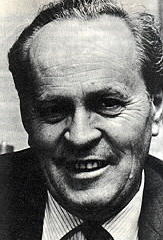
Eberhard Bethge was a German theologian known for his contributions to Christian mysticism and existentialist theology. His life and writings have had a profound impact on contemporary theology.
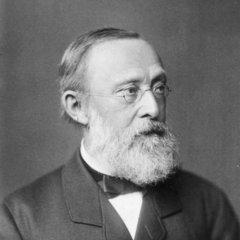
German physician and one of the founders of cellular pathology, known as one of the greatest scientists in the history of medicine. He proposed the basic principles of cellular pathology, which had a profound impact on the development of modern medicine.
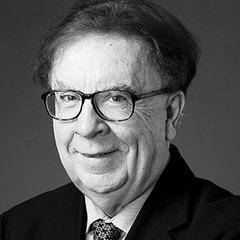
Richard Restak (born 1942) is an American neurologist, clinical neuroscientist, and bestselling author. He is renowned for his ability to translate complex neuroscience into accessible language for the general public. With over 20 books on the brain, including 'The Complete Guide to the Brain' and 'The Brain's Mysteries,' Restak has helped countless readers understand brain function, health, and disease. He is also a frequent media commentator and public speaker dedicated to promoting brain science education.
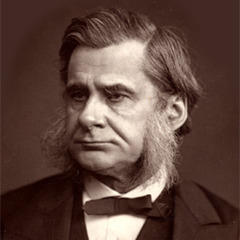
Thomas Huxley, a British biologist, was a staunch supporter of Darwin's theory of evolution. Renowned for his research in comparative anatomy, embryology, paleontology, and philosophy, Huxley made significant contributions to the field of biology. He had a profound influence on science, not only through his support of Darwin's theory of evolution but also through his role as a science popularizer and advocate for science education.
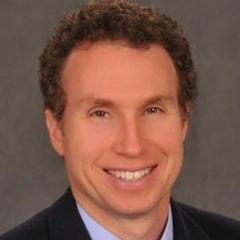
Andrew B. Newberg is a neuroscientist born in 1966. His research focuses on the impact of religious and spiritual practices on the human brain, particularly in areas such as meditation, prayer, and religious rituals. Newberg's work provides scientific insights into the role of the brain in religious and spiritual activities.
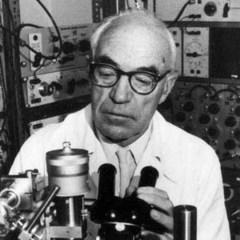
John Eccles, born on January 27, 1903, and died on May 2, 1997, was an Australian neurophysiologist renowned for his significant contributions to the field of neuroscience. His research focused on synaptic transmission and the mechanism of neurotransmitter action, providing key insights into how the brain functions.