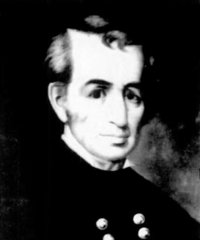
William Henry Chase
William Henry Chase, born on June 4, 1798, and died in 1870, was an individual whose profession and category are unknown.

William Henry Chase, born on June 4, 1798, and died in 1870, was an individual whose profession and category are unknown.

Kevin DeYoung, born in 1977, is a prominent Christian author. His works cover a wide range of topics including faith, theology, and family life, and have gained widespread popularity among readers.

Steven J. Lawson, born on April 13, 1951, is a renowned figure in an unknown field.

Michael Mewshaw is an accomplished author known for his profound insights into the politics and society of the Middle East. His works cover a wide range of topics from history to contemporary politics, with a particular focus on conflicts and transformations in the region.
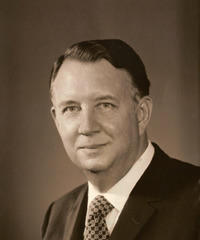
Paris Reidhead was an American writer born on May 30, 1919, and passed away on March 23, 1992. His works covered a range of subjects including religion, philosophy, and literature, and were highly appreciated by readers.

Frank Stapleton, born on July 10, 1956, is a renowned football player known for his exceptional skills and leadership. Throughout his career, he has played for several top clubs and achieved significant success at the national team level.

Nigel Spackman, born on December 2, 1960, is a seasoned football manager with extensive experience in the football industry. He has coached several clubs and is known for his unique tactical ideas and excellent management skills.
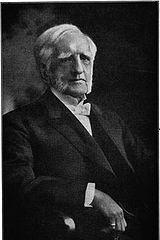
Herrick Johnson, an outstanding American author, was born on September 21, 1832, and passed away on November 20, 1913. His works are renowned for their profound thoughts and unique literary style.
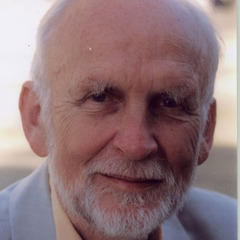
Reginald Hill was a British writer renowned for his crime novels. His works often set in the north of England, delving into social issues and the complexities of human nature.
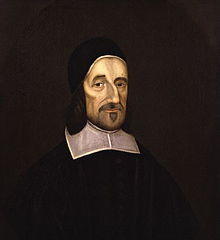
Richard Baxter was an English poet, born on November 12, 1615, and died on December 8, 1691. Known for his religious poetry and theological writings, Baxter held a significant position in English literature during the 17th century.