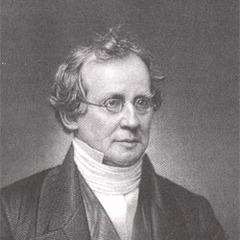
Charles Hodge
Charles Hodge was an 19th-century American author known for his profound religious thoughts and literary value.
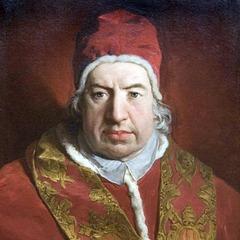
Charles Hodge was an 19th-century American author known for his profound religious thoughts and literary value.
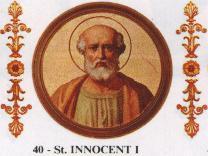
Pope Innocent I, who reigned from 401 to March 12, 417, was a significant figure in the history of the Roman Catholic Church. His pontificate occurred during the late Roman Empire, where he played a crucial role in both internal church and external affairs.
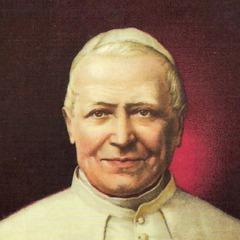
Pope Pius IX, born on May 13, 1792, and died on February 7, 1878, was the 254th Pope of the Roman Catholic Church. His papacy, which lasted for 27 years, was marked by significant changes in the unification of Italy and the European political landscape.
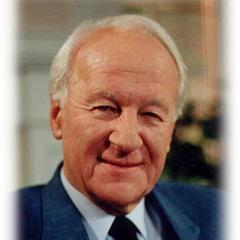
John Stott was a British author born on April 27, 1921, and passed away on July 27, 2011. He was one of the most influential Christian writers of the 20th century, known for his clear and concise writing style and profound biblical exegesis.
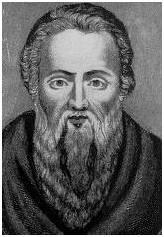
Ignatius of Antioch, born around the 1st century and died in 107 AD, was an early Christian apostle and theologian. His life is mainly recorded in his letters to the church of Antioch, where he expressed his firm faith and loyalty to the church. Ignatius was exiled to Beirut by the Roman Empire and was eventually martyred there.

Christopher West, born in 1969, is a renowned author. His works primarily focus on religion, philosophy, and spirituality, enjoying great popularity among readers.
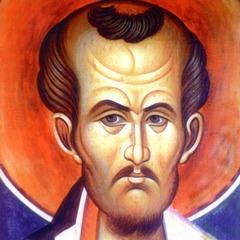
Saint John Chrysostom (c. 347 – September 14, 407) was an early Church Father and Archbishop of Constantinople, renowned for his eloquent preaching and oratory, earning the epithet 'Chrysostom' meaning 'golden-mouthed.' Born in Antioch, he received a classical education and later became a hermit. His sermons emphasized moral reform, social justice, and biblical exegesis, often criticizing luxury and corruption. His conflicts with the imperial court and clergy led to multiple exiles, and he died during a forced march. His extensive writings, including homilies, commentaries, and letters, profoundly influenced Eastern Christianity. He is venerated as a saint and Doctor of the Church in Eastern Orthodoxy, Catholicism, and other traditions.
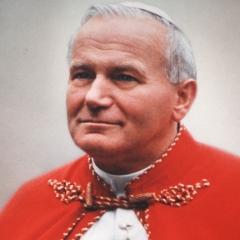
Pope John Paul II, born on May 18, 1920, and died on April 2, 2005, was the 266th Pope of the Roman Catholic Church and one of the longest-reigning popes in history. During his papacy from 1978 to 2005, he was dedicated to promoting world peace and unity, advancing church reform, and visiting numerous countries and regions.
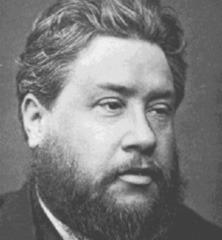
Charles Haddon Spurgeon, born on June 19, 1834, was a prominent Christian preacher from the United Kingdom. Known as the 'Preacher of London,' he was renowned for his passionate sermons and profound influence. Spurgeon's preaching drew thousands of listeners, and his writings had a widespread impact on the Christian world.
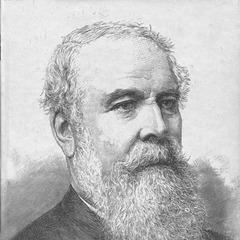
J. C. Ryle, the Bishop of Liverpool, was born on May 10, 1816, and died on June 10, 1900. He was a prominent religious leader in 19th-century England, known for his deep biblical scholarship and steadfast propagation of Christian faith.