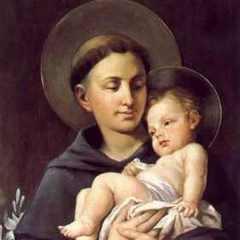
Anthony of Padua
St. Anthony of Padua, born on August 15, 1195, and died on June 13, 1231, was a renowned Catholic saint, theologian, missionary, and philosopher. He is known for his profound theological insights and exceptional missionary skills.
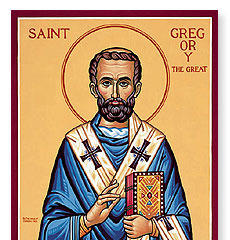
St. Anthony of Padua, born on August 15, 1195, and died on June 13, 1231, was a renowned Catholic saint, theologian, missionary, and philosopher. He is known for his profound theological insights and exceptional missionary skills.
Teresa of Avila, born on March 28, 1515, and died on October 4, 1582, was a Spanish mystic, nun, and theologian. She is a saint of the Catholic Church, renowned for her profound insights into mysticism and spiritual life.
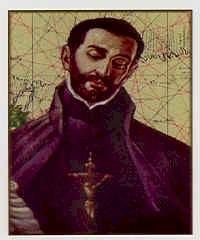
Peter Claver, a Catholic priest, was born on June 26, 1581, and died on September 8, 1654. He is known for his care and charity work with African slaves, and is hailed as the 'Saint of Africa'.
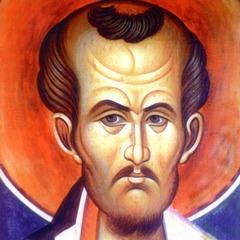
Saint John Chrysostom (c. 347 – September 14, 407) was an early Church Father and Archbishop of Constantinople, renowned for his eloquent preaching and oratory, earning the epithet 'Chrysostom' meaning 'golden-mouthed.' Born in Antioch, he received a classical education and later became a hermit. His sermons emphasized moral reform, social justice, and biblical exegesis, often criticizing luxury and corruption. His conflicts with the imperial court and clergy led to multiple exiles, and he died during a forced march. His extensive writings, including homilies, commentaries, and letters, profoundly influenced Eastern Christianity. He is venerated as a saint and Doctor of the Church in Eastern Orthodoxy, Catholicism, and other traditions.
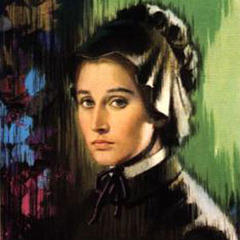
Elizabeth Ann Seton, born on August 28, 1774, and died on January 4, 1821, was the first saint of the Catholic Church in the United States. She was a philanthropist and educator, and an important figure in the American Catholic Church. Seton, a虔诚的基督徒,devoted herself to charitable and educational causes, making significant contributions to the Catholic educational efforts in the United States.
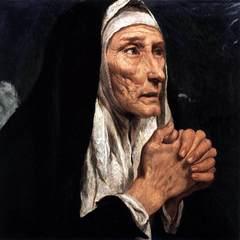
Saint Monica (331-387) was a renowned Christian nun and theologian known for her love and dedication to her son, Augustine, and her steadfast faith. Her life and事迹 have had a significant impact on Christian history, though specific details are limited.
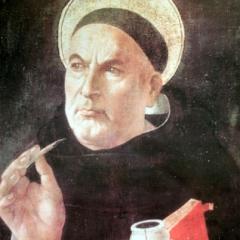
Thomas Aquinas, born on January 28, 1225 and died on March 7, 1274, was a renowned theologian, philosopher, and priest. He is considered one of the greatest theologians of the Middle Ages and his works have had a profound impact on philosophy and theology.
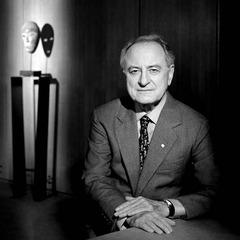
Pierre Berge, born on November 14, 1930, is an esteemed industrialist with a profound impact on the fashion industry, particularly in the realm of haute couture.
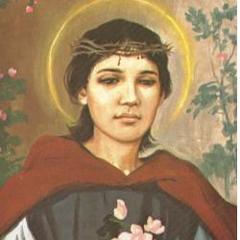
Rose of Lima, also known as Maria Maria de Jesus de Rosa, was a Catholic saint from Peru, born on April 20, 1586, and died on August 24, 1617. She is revered as the Mother of Peru and one of the most famous saints in Latin America, known for her piety, asceticism, and charitable deeds.
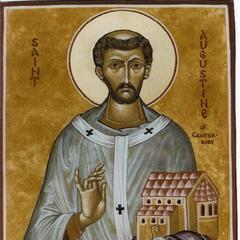
Saint Augustine, born on November 13, 354 in Tagaste, North Africa, and died on August 28, 430, was an influential Christian theologian, philosopher, and writer. He is considered one of the 'Fathers of the Church' and had a profound impact on Christian theology, philosophy, and Latin literature. His work 'Confessions' is a classic of Western literature, and his thoughts have had a lasting influence on Christian doctrine and Western culture.