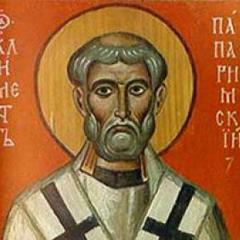
Pope Clement I
Limited information available. A detailed English biography of Pope Clement I cannot be provided.
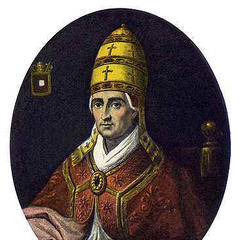
Limited information available. A detailed English biography of Pope Clement I cannot be provided.
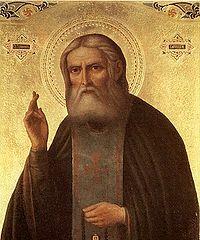
Seraphim of Sarov (August 1, 1754 – January 14, 1833) is one of the most venerated saints in the Russian Orthodox Church, renowned as a mystic and spiritual guide. Born in Kursk to a merchant family, he entered the Sarov Monastery at age 17. After years of extreme asceticism in the forest, including living alone in a hut and praying for a thousand nights on a rock, he became known for his humility and wisdom. In his later years, he received visitors, offering counsel on acquiring the Holy Spirit and inner peace. His teachings, especially the 'Acquisition of the Holy Spirit,' have deeply influenced Orthodox spirituality. He was canonized in 1903, and his relics are enshrined at the Sarov Monastery.
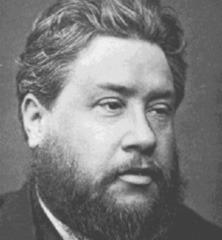
Charles Haddon Spurgeon, born on June 19, 1834, was a prominent Christian preacher from the United Kingdom. Known as the 'Preacher of London,' he was renowned for his passionate sermons and profound influence. Spurgeon's preaching drew thousands of listeners, and his writings had a widespread impact on the Christian world.
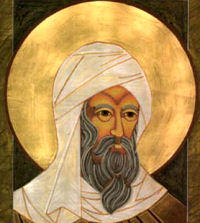
John of Damascus was a monk, theologian, philosopher, and writer from the Byzantine Empire. Born in 676 and died on December 4, 749, he is renowned for his contributions to Christian theology, particularly during the Iconoclasm controversy. His works, such as 'The Defense of Images,' had a profound impact on the development of religious philosophy and art in subsequent centuries.
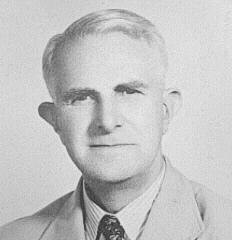
Theodore Austin-Sparks was a British author known for his theological writings. Born in 1888, he dedicated his life to Christian ministry and theological education, with his works having a significant impact on the understanding of spiritual formation and the nature of the Christian life.
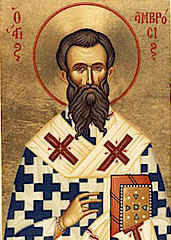
St. Ambrose, born in 337 and died on April 4, 397, was a significant figure in ancient Christianity, revered as a saint. During his tenure as the bishop of Milan, he was known for his exceptional preaching and theological contributions. Ambrose, who had a background in rhetoric and philosophy, had a profound impact on political, philosophical, and theological domains. His teachings and writings continue to be influential in the study of Christian doctrine and theology.
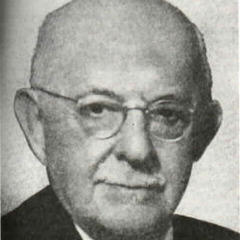
Arno C. Gaebelein was an individual active in the early 20th century, with an unknown profession. His life and achievements are not widely documented, but based on limited information, he may have made certain contributions in his field.
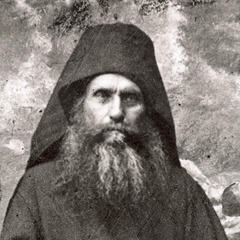
Saint Silouan the Athonite (1866-1938), born Simeon Ivanovich Antonov, was a Russian Orthodox monk and spiritual writer. He came from a peasant family in Tambov, Russia, served in the military, and entered the St. Panteleimon Monastery on Mount Athos in 1892. Known for his deep spiritual experiences and teachings on humility and love, his writings, compiled in 'The Collected Works of Saint Silouan,' have influenced many Orthodox Christians. He died in 1938 and was canonized by the Ecumenical Patriarchate of Constantinople in 1987. Saint Silouan is revered as a modern spiritual father, emphasizing inner peace and prayer for all humanity.
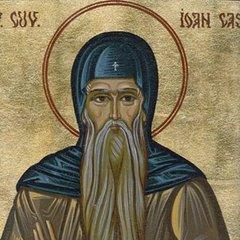
John Cassian (360-435 AD) was a prominent figure in early Christian history, known for his contributions to monasticism and theological thought. He spent his life primarily in Egypt, where he founded one of the first monasteries and became its abbot. Cassian is renowned for his deep understanding of monastic life and his influential writings on Christian doctrine.
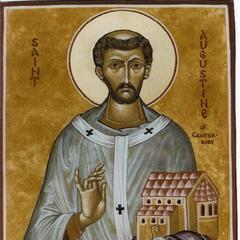
Saint Augustine, born on November 13, 354 in Tagaste, North Africa, and died on August 28, 430, was an influential Christian theologian, philosopher, and writer. He is considered one of the 'Fathers of the Church' and had a profound impact on Christian theology, philosophy, and Latin literature. His work 'Confessions' is a classic of Western literature, and his thoughts have had a lasting influence on Christian doctrine and Western culture.