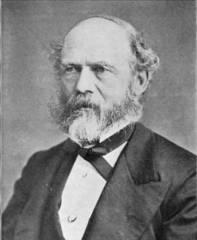
Lewis Henry Morgan
Lewis Henry Morgan was a distinguished member of the New York State Senate. Born on November 21, 1818, and deceased on December 17, 1881, he played a significant role in the political development of New York.
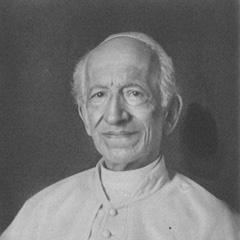
Lewis Henry Morgan was a distinguished member of the New York State Senate. Born on November 21, 1818, and deceased on December 17, 1881, he played a significant role in the political development of New York.
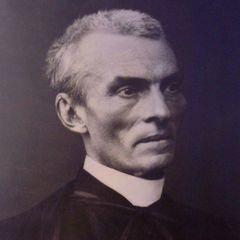
Peter Julian Eymard, born on February 4, 1811, and died on August 1, 1868, was a renowned French priest. He is known for his research and promotion of the Eucharist, which had a profound impact on the Catholic Church.
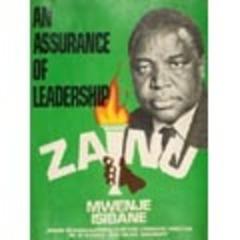
Ndabaningi Sithole was a significant figure in the 20th-century African political stage. Born on July 31, 1920, and passed away on December 12, 2000. Limited information is available, but Sithole played a crucial role in the African liberation movement.
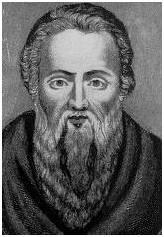
Ignatius of Antioch, born around the 1st century and died in 107 AD, was an early Christian apostle and theologian. His life is mainly recorded in his letters to the church of Antioch, where he expressed his firm faith and loyalty to the church. Ignatius was exiled to Beirut by the Roman Empire and was eventually martyred there.
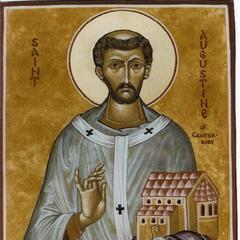
Saint Augustine, born on November 13, 354 in Tagaste, North Africa, and died on August 28, 430, was an influential Christian theologian, philosopher, and writer. He is considered one of the 'Fathers of the Church' and had a profound impact on Christian theology, philosophy, and Latin literature. His work 'Confessions' is a classic of Western literature, and his thoughts have had a lasting influence on Christian doctrine and Western culture.
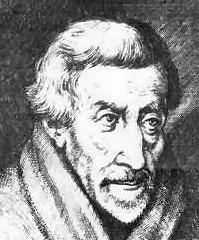
Peter Canisius, a Catholic saint, was born on May 8, 1521, and died on December 21, 1597. He was a Jesuit, known for his contributions to education and theology.
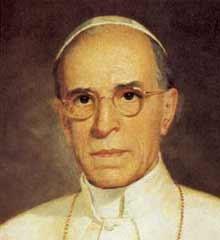
Pope Pius XII, born Giuseppe Angelo Raffaele Carlo Maria Radziwill, was the 259th Pope, serving from 1939 to 1958. His papacy coincided with World War II, and his role during the war has been widely controversial.
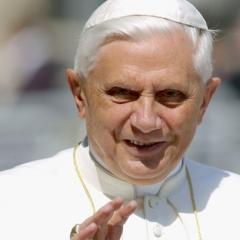
Pope Benedict XVI, born Joseph Aloisius Ratzinger, was the 265th Pope of the Roman Catholic Church, serving from 2005 to 2013. He had a deep academic background in philosophy and theology, serving as a Cardinal and President of the Pontifical Biblical Commission. During his papacy, Pope Benedict XVI worked to promote church reform and dialogue, emphasizing the importance of traditional doctrine while balancing conservative and reformist forces within the church.
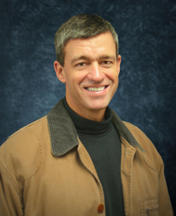
Paul Washer (born 1961) is an American Christian preacher, author, and missionary known for his uncompromising sermons emphasizing biblical authority, repentance, and grace. Born in Illinois, he experienced a conversion in his youth and later founded HeartCry Missionary Society, which supports indigenous missionaries worldwide. Washer's direct and often confrontational preaching style challenges modern Christian complacency, urging a return to core doctrines. His works, including "The Gospel's Power," have reached a global audience, particularly impacting young believers. Despite controversies, he remains a significant voice in contemporary Christianity, inspiring many to reexamine their faith foundations.
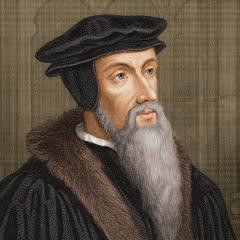
John Calvin (July 10, 1509 - May 27, 1564) was a significant figure in the 16th-century Protestant Reformation and the founder of the Calvinist branch of Protestantism. He was a theologian, philosopher, and Christian reformer whose theological ideas had a profound impact on subsequent generations.