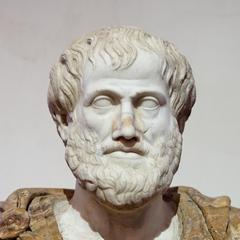
Aristotle
Aristotle, a renowned Greek philosopher, is one of the founders of Western philosophy. His thoughts covered a wide range of fields, including ethics, logic, politics, and had a profound impact on the world.
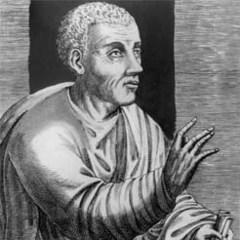
Aristotle, a renowned Greek philosopher, is one of the founders of Western philosophy. His thoughts covered a wide range of fields, including ethics, logic, politics, and had a profound impact on the world.
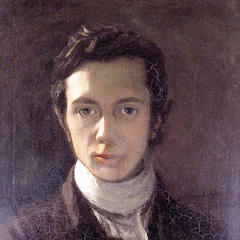
William Hazlitt, born on April 10, 1778, was an influential English essayist and literary critic. His works are renowned for their sharp observations and profound insights, which have had a lasting impact on 19th-century British literature.
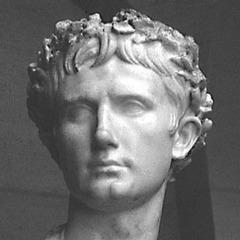
Horace, a renowned Roman poet, is celebrated for his elegant Latin style and profound philosophical thoughts. His works span a variety of genres, from satire to odes, and have had a profound impact on literature throughout history.
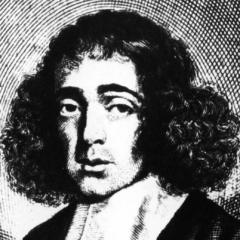
Baruch Spinoza, a 17th-century Dutch philosopher of Jewish descent, is renowned for his unique philosophical thoughts and critical analysis of religion. Spinoza's philosophy emphasizes the unity of reason, nature, and God, and has had a profound impact on Western philosophy.
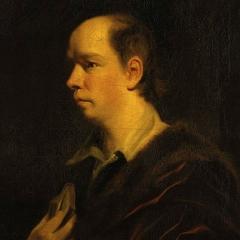
Oliver Goldsmith was an Irish novelist, playwright, poet, and physician. He is best known for his novel 'The Vicar of Wakefield' and his plays 'She Stoops to Conquer' and 'The Good-Natur'd Man'. Goldsmith's works are characterized by their wit, humor, and moral depth.
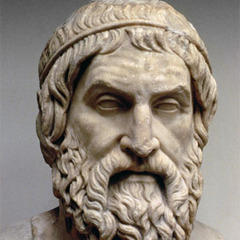
Sophocles, born in 498 BC and died in 406 BC, was a renowned Greek tragic playwright. He is one of the three greatest tragic poets of ancient Greece, alongside Aeschylus and Euripides. Sophocles' works profoundly revealed the complexity of human nature and social contradictions, exerting a profound influence on subsequent drama.
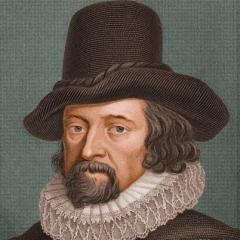
Francis Bacon, a renowned philosopher, politician, and writer, served as the Lord Chancellor of England. He is best known for his profound philosophical thoughts and extensive literary works, which have had a lasting impact on the world.
Owen Feltham, born in 1602 and died on February 23, 1668, was an English writer known for his fables and satirical works. His contributions to literature have had a profound impact on subsequent generations.
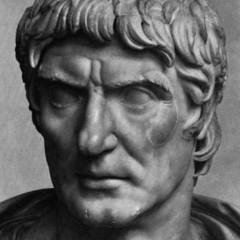
Juvenal, a renowned Roman poet, died around 100 AD. His poetry is known for its satire and criticism, with major works including 'Satires' and 'Satires Continuati'. Juvenal's poetry reflects the corruption and moral decay of Roman society at the time, and has had a profound impact on literature.
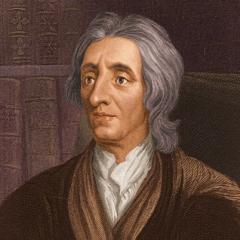
John Locke (August 29, 1632 - October 28, 1704) was an English philosopher, political theorist, and physician, considered one of the most influential figures of the Enlightenment. His ideas have had a profound impact on political philosophy, ethics, and epistemology.