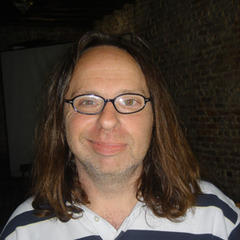
R. U. Sirius (born Ken Goffman, 1952) is an American writer, editor, and media critic known for his contributions to digital culture, psychedelic culture, and counterculture. He co-founded and edited the magazine Mondo 2000, a key voice in cyberpunk and the digital revolution during the late 1980s and early 1990s. Sirius explores the intersections of technology, consciousness, politics, and culture in his works, including the book True Names: And the Opening of the Cyberspace Frontier. His radical, humorous, and critical perspective has influenced discussions on the digital age.
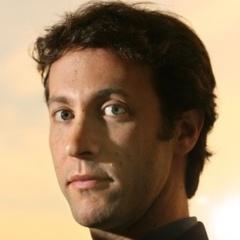
David Eagleman is a neuroscientist born on April 25, 1971. His research focuses on visual perception, time perception, and brain plasticity. Eagleman has made significant contributions to the field of neuroscience and has ventured into various scientific and artistic domains.
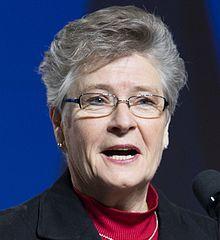
Deborah Grey is a prominent Canadian politician, born on July 1, 1952. She has served as a member of the Canadian Parliament, representing the Conservative Party. Known for her forthright and steadfast conservative stance, Grey has made a significant impact on the Canadian political scene.
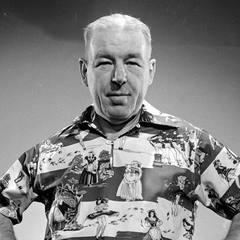
Elliott White Springs, an enigmatic historical figure, was born on July 31, 1896, and died on August 15, 1959. Little is known about his life and contributions.
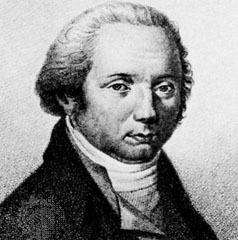
Franz Joseph Gall (March 9, 1758 - August 22, 1828) was a physiologist and is considered the founder of phrenology. He proposed the theory of phrenology, which suggested that different parts of the brain correspond to different psychological traits in individuals.
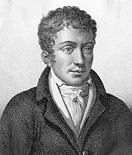
Pierre Jean George Cabanis, born on June 5, 1757, and died on May 5, 1808, was a French philosopher, physiologist, and psychologist. Limited information suggests that he was an influential figure in the fields of philosophy, physiology, and psychology during the late 18th and early 19th centuries.
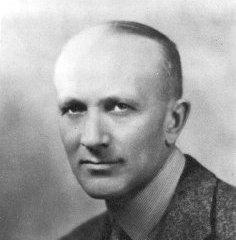
Wilder Penfield was a renowned medical doctor known for his contributions to neurosurgery. Born on January 26, 1891, and passing away on April 5, 1976, Penfield made significant strides in the field of epilepsy and brain function localization. His work had a profound impact on modern neuroscience, and he is regarded as an outstanding scientist whose research revolutionized the medical field.
Geoff Rickly, born on March 8, 1979, is a talented musician known for his distinctive musical style and deep voice. He is the core figure of several music projects.
Michael Merzenich, born in 1942 in the United States, is a renowned neuroscientist and professor. His groundbreaking research in the field of neuroplasticity has had a profound impact on understanding how the brain adapts and learns, particularly in the context of musical training. Professor Merzenich's work has significantly influenced the fields of neurorehabilitation and cognitive training.
Jill Bolte Taylor is a neuroscientist, author, and public speaker, renowned for her unique personal experience and profound insights into the workings of the brain. In 2001, she experienced a remarkable stroke that damaged her left brain (responsible for language, logic, and emotion) while leaving her right brain (responsible for intuition and creativity) intact. This experience inspired her book 'My Left Brain Died: A Neuroscientist's Personal Stroke Journey,' which became an international bestseller and won multiple awards. Taylor's work not only helps people better understand the brain but also encourages them to explore their own inner intuition and creativity.
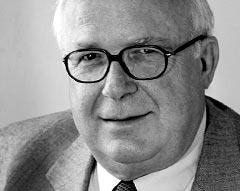
Michael Gazzaniga is a renowned cognitive neuroscientist, born on December 12, 1939. His research in the field of cognitive science has made significant contributions to understanding how the human brain generates consciousness, thought, and memory.