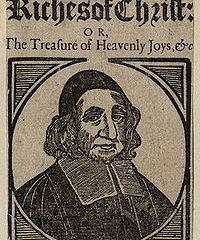
Thomas Brooks
Thomas Brooks (1608-1680) was a prominent English author known for his religious and philosophical writings. His works held a significant place in 17th-century English literature and have had a profound impact on later generations.
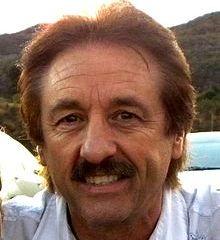
Thomas Brooks (1608-1680) was a prominent English author known for his religious and philosophical writings. His works held a significant place in 17th-century English literature and have had a profound impact on later generations.
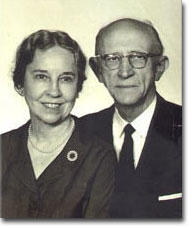
Vance Havner was an influential American author and pastor, recognized for his impactful sermons and theological works. Born in 1901, he dedicated much of his life to serving in various churches and theological institutions. Havner's writings focused on the practical application of biblical truths in daily life, and he was renowned for his ability to convey complex theological ideas in a straightforward and relatable manner. He passed away on August 12, 1986.
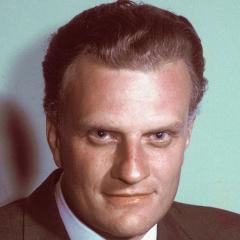
Billy Graham (born November 7, 1918) was a prominent American evangelist, widely regarded as one of the most influential Christian leaders of the 20th century. Graham, born in a farming family in North Carolina, developed a deep passion for religion from an early age. He began his ministry in 1939 and spent the following decades spreading the Christian Gospel through radio, television, books, and speaking engagements to hundreds of millions of people around the world.
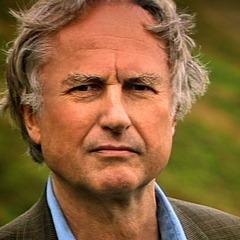
Richard Dawkins is a British ethologist, writer, and thinker, known for his contributions to evolutionary theory, particularly in the field of modern synthesis. He is widely recognized for his best-selling book 'The Selfish Gene', which explains the central role of genes in biological evolution. Dawkins has made significant impacts in the field of science communication and has sparked widespread discussions about human behavior and morality.
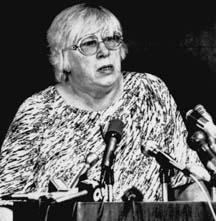
Madalyn Murray O'Hair was an American activist and lawyer, known for her pivotal role in the Supreme Court case Murray v. Curlett (1963), which resulted in the elimination of Bible reading and prayer from public schools. She founded American Atheists and was a significant figure in the secular movement in the United States.
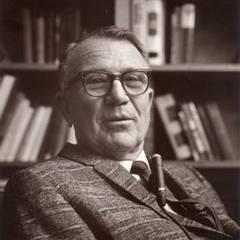
J. Vernon McGee was a renowned Christian theologian and biblical scholar, known for his contributions in the fields of broadcasting and publishing. Born on June 17, 1904, and passing away on December 1, 1988, McGee made a significant impact with his deep biblical research and accessible teachings. His work has had a profound influence on the Christian world, particularly in the realm of broadcasting. He is highly regarded for his impact and is remembered as an exceptional biblical scholar and Christian leader.
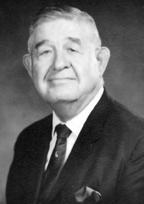
John R. Rice, born on December 11, 1895, and died on December 29, 1980, was a historical figure with limited information about his profession and life experiences.

Christopher Hitchens was an English-American author, journalist, and social critic. He was known for his sharp wit and controversial views, particularly on religion and politics. Hitchens was a prominent figure in the public discourse of the late 20th and early 21st centuries.

Paul Washer (born 1961) is an American Christian preacher, author, and missionary known for his uncompromising sermons emphasizing biblical authority, repentance, and grace. Born in Illinois, he experienced a conversion in his youth and later founded HeartCry Missionary Society, which supports indigenous missionaries worldwide. Washer's direct and often confrontational preaching style challenges modern Christian complacency, urging a return to core doctrines. His works, including "The Gospel's Power," have reached a global audience, particularly impacting young believers. Despite controversies, he remains a significant voice in contemporary Christianity, inspiring many to reexamine their faith foundations.
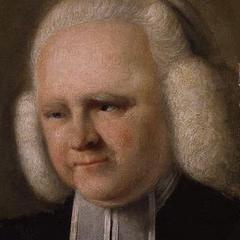
George Whitefield, a renowned British preacher, was born on December 16, 1714, and died on September 30, 1770. Known for his passionate preaching style and his significant impact on the religious reform in America, Whitefield is often referred to as the 'Father of American Evangelicalism'.