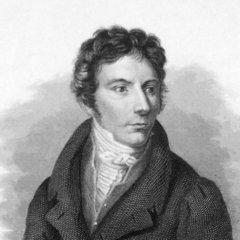
Lorenz Oken
Lorenz Oken, born on August 1, 1779 and died on August 11, 1851, was a prominent German naturalist. He made significant contributions to the fields of biology, philosophy, and art.
Lorenz Oken, born on August 1, 1779 and died on August 11, 1851, was a prominent German naturalist. He made significant contributions to the fields of biology, philosophy, and art.
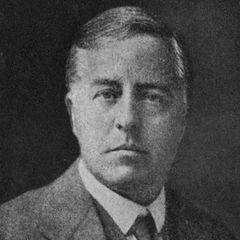
James Jeans was an influential British physicist known for his contributions to astrophysics and cosmology. His research encompassed stellar structure and the origins of the universe, having a profound impact on modern physics.
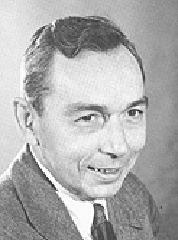
Marston Bates was a renowned American author known for his profound insights into the relationship between humans and nature. His works often explore the interaction between humans and the natural environment, as well as the impact of this interaction on individuals and society. Bates' writing style is unique, blending literary and philosophical elements, which has had a profound impact on the literary world.
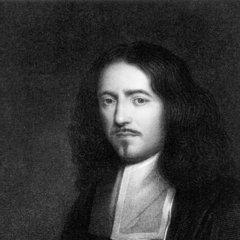
Marcello Malpighi was an Italian physician and scientist, renowned for his substantial contributions to anatomy and histology. Often hailed as the father of microscopic anatomy, he made numerous discoveries using the newly invented microscope. Malpighi's work laid the groundwork for modern histology, and his detailed studies of the body's structures and functions have had a lasting impact on medical science.
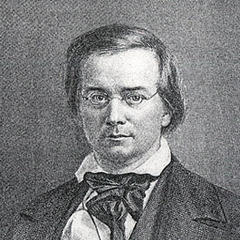
George Perkins Marsh was an American writer, politician, and naturalist. His work, 'Man and Nature,' is considered a pioneering text in environmental ethics and had a profound impact on the environmental movement that followed.
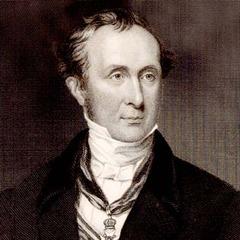
Sir Roderick Murchison, a British baronet, was a prominent geologist. Born on February 22, 1792, and died on October 22, 1871, he made significant contributions to the field of geology, particularly in the study of petrology.
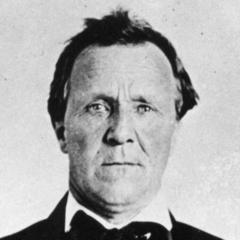
Lewis Thomas was a renowned American physician, writer, and scientist. Born on November 25, 1913, and died on December 3, 1993. He was known for his contributions to medicine and scientific writing, serving as the director of Memorial Sloan Kettering Cancer Center in New York.
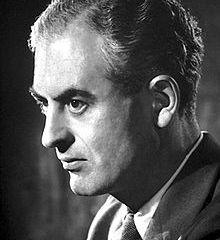
Peter Medawar was a British biologist and immunologist recognized for his work in transplantation immunology. He was awarded the Nobel Prize in Physiology or Medicine in 1960 for his discovery of immunological tolerance.
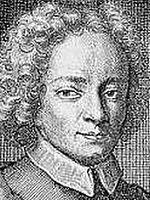
Giorgio Baglivi was an Italian physician born on September 8, 1668, and died on June 15, 1707. He made significant contributions to the field of medicine, particularly in anatomy and physiology.
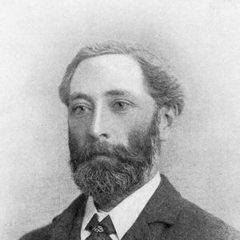
W. W. Rouse Ball was a distinguished British mathematician recognized for his work in geometry, number theory, and the history of mathematics. He held the position of professor at the University of Cambridge and authored numerous influential textbooks.