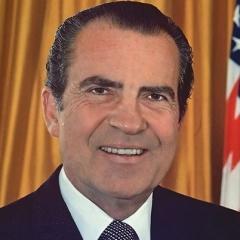
Richard Milhous Nixon (January 9, 1913 – April 22, 1994) was the 37th president of the United States, serving from 1969 to 1974. A Republican, he previously served as a U.S. representative and senator from California and as the 36th vice president under Dwight D. Eisenhower. Nixon is best known for his Cold War foreign policy, including the historic 1972 visit to China, détente with the Soviet Union, and the gradual withdrawal of U.S. troops from Vietnam. However, his presidency was overshadowed by the Watergate scandal, leading to his resignation—the only such case in U.S. history. His legacy remains complex, marked by significant diplomatic achievements and profound ethical failures.
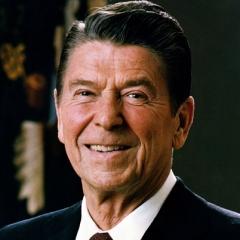
The 40th President of the United States, born on February 6, 1911, and passed away on June 5, 2004. Reagan's presidency was marked by economic prosperity and military strength, and he was known for his conservative political philosophy.
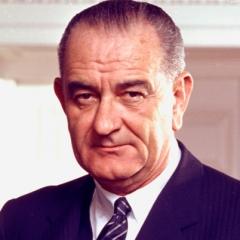
Lyndon B. Johnson, the 36th President of the United States, served from 1963 to 1969. He assumed the presidency following the assassination of John F. Kennedy and is known for his 'Great Society' programs aimed at reducing poverty and racial injustice.
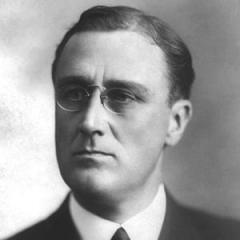
Franklin D. Roosevelt was the 32nd President of the United States, serving for 12 years, the longest tenure in U.S. history. He led the nation through the Great Depression and World War II, implementing a series of reform measures known as the New Deal.
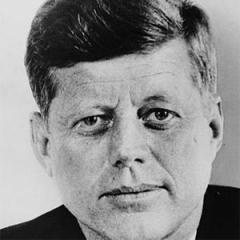
John F. Kennedy was the 35th President of the United States, serving from 1961 to 1963. His presidency was marked by the Civil Rights Act, the New Frontier policy, and the intense Cold War confrontation with the Soviet Union. Kennedy was known for his youthful charm and charisma, but his assassination during his term shocked the world.
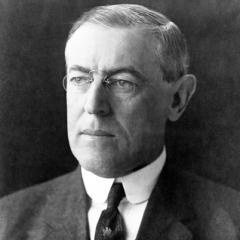
Woodrow Wilson was the 28th President of the United States, known for his foreign policy during World War I and his efforts at the Paris Peace Conference. He advocated for the New Freedom policy and had a deep academic background in history, politics, and economics.
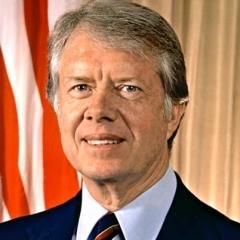
Jimmy Carter, born on October 1, 1924, was the 39th President of the United States, serving from 1977 to 1981. His presidency was characterized by a focus on human rights and international diplomacy, reflecting his dedication to peace and social justice. Post-presidency, Carter has been active in the non-profit sector, notably through the Carter Center, which he founded to promote peace and health worldwide.
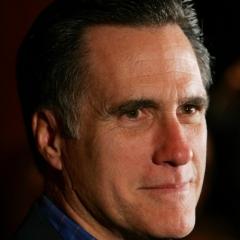
Mitt Romney, born on March 12, 1947, served as the Governor of Massachusetts and is a notable figure in American politics and business. He is recognized for his role in the 2012 U.S. presidential election and his tenure as the head of Bain Capital.
Barack Obama, born on August 4, 1961, served as the 44th President of the United States from 2009 to 2017. He is the first African American to hold the office. Obama's presidency was marked by significant achievements, including the Affordable Care Act and the normalization of relations with Cuba. He was awarded the Nobel Peace Prize in 2009.
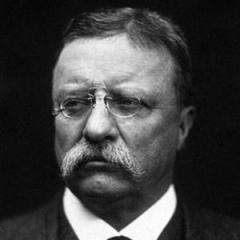
Theodore Roosevelt was the 26th President of the United States, serving from 1901 to 1909. A progressive leader, he is known for his advocacy of the conservation movement, expansion of federal government regulation, and efforts to improve the lives of American citizens.