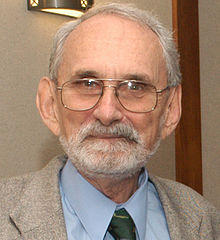
Robert Curl
Robert Curl, a figure in an unknown profession/category, was born on August 23, 1933.
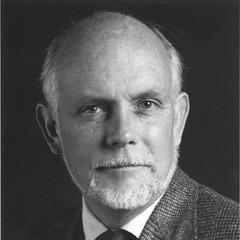
Robert Curl, a figure in an unknown profession/category, was born on August 23, 1933.
Ernst Levy, a distinguished composer, was born on November 18, 1895, and passed away in 1981. His musical works are characterized by a unique style, influenced by both classical and modern music.
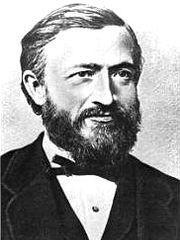
German inventor born on January 7, 1834, in Ulm, Baden-Württemberg, Germany, and died on January 14, 1874. Known for his contributions to electroacoustics, Reis is particularly renowned for his prototype of the telephone.
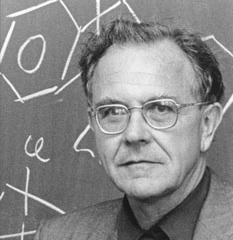
Geoffrey Wilkinson was a renowned chemist known for his contributions to coordination chemistry. He began his research in the late 1940s and made significant contributions to the coordination chemistry of transition metals in the 1950s. His research not only advanced chemical theory but also had a profound impact on modern industrial practices.
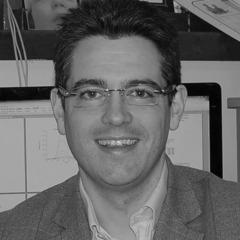
Leroy Cronin, born on June 1, 1973, is an enigmatic figure with an unknown profession and identity.
Alfred Harker was a renowned geologist, born on February 19, 1859, and died on July 28, 1939. He made significant contributions to the field of geology, particularly in the areas of petrology, structural geology, and geochronology.
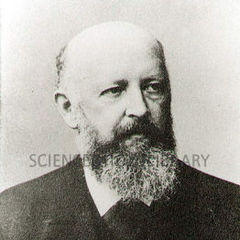
German chemist and Nobel laureate. Adolf von Baeyer made significant contributions to organic chemistry, particularly in the fields of dye chemistry and synthetic chemistry. His research involved the synthesis of various organic compounds, including aniline dyes and indigo. Baeyer's work had a profound impact on the development of modern chemistry.
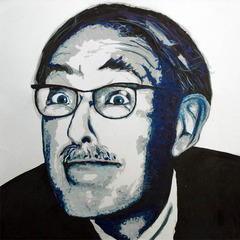
Magnus Pyke was a renowned scientist known for his contributions to electronics and cryptography. Born on December 29, 1908, and passing away on October 19, 1992, Pyke made significant contributions to British intelligence during World War II, particularly in decrypting the German Enigma cipher machine.
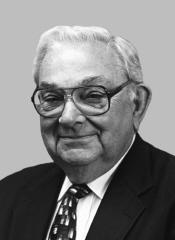
George Brown, Jr. was an American politician born on March 6, 1920, and passed away on July 15, 1999. He was active in the American political scene for decades and held several important positions.
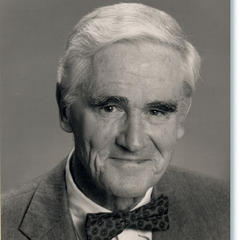
Donald Cram was a renowned chemist known for his significant contributions to organic chemistry. He was born on April 22, 1919, in Chicago, Illinois, USA, and throughout his academic career, he achieved numerous important milestones. Cram's research focused on the synthesis of cyclic compounds and the theory of stereochemistry, which laid a solid foundation for the development of organic chemistry. In 1987, he was awarded the Nobel Prize in Chemistry for his work in these areas.