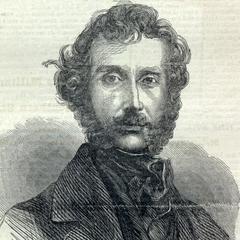
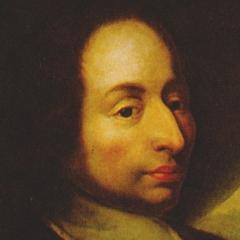
Robert South (September 4, 1634 – July 8, 1716) was a prominent English theologian, clergyman, and satirist of the 17th century. Known for his sharp preaching style and witty satire, he gained fame within the Church of England. Born in London, South studied at Oxford University and later served as a priest at Westminster Abbey. His sermons covered theology, morality, and social issues, delivered with vivid language and critical insight, influencing religious and political discourse of his time. His works were widely circulated in the 18th century, inspiring later English literature and religious debates.
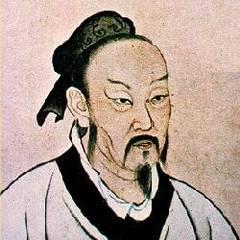
Mencius, also known as Meng Ke, was a renowned philosopher during the Warring States period of ancient China. He was one of the key figures in the Confucian school and his ideas on benevolent rule and people-centered governance had a profound impact on Chinese politics and culture.
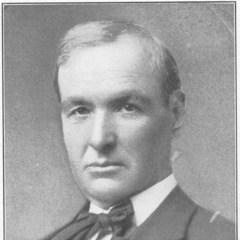
E.W. Howe, born on May 3, 1853, in London, Ontario, Canada, was a renowned novelist. His works primarily reflect the changes in Canadian society and culture, enjoying great popularity among readers.
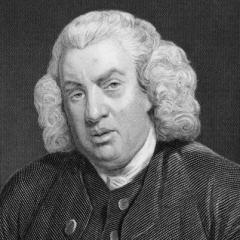
Samuel Johnson was an English writer, poet, and lexicographer, renowned for his comprehensive English dictionary, 'A Dictionary of the English Language', published in 1755. His distinctive writing style and wit have cemented his place as a significant figure in the history of English literature.
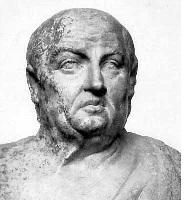
Seneca the Younger (4 BC - 65 AD) was a renowned Roman philosopher, statesman, and playwright. Born into a wealthy Roman family, he served as a government official in the Roman Empire. Seneca's philosophy was deeply influenced by Stoicism, and his works have had a profound impact on later generations.
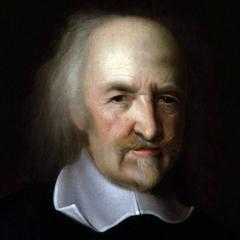
Thomas Hobbes, a British philosopher, politician, historian, economist, and writer, was born on April 5, 1588, in Wiltshire, and died on December 4, 1679, in Oxford, England. Hobbes is considered one of the most important philosophers of the 17th century, known for his profound analysis of the state, society, and human behavior.
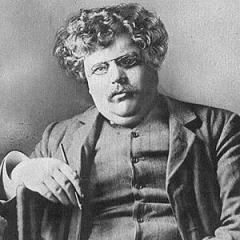
Gilbert K. Chesterton was an English writer, critic, and theologian, born on May 29, 1874, and died on June 14, 1936. Known for his unique literary style and profound philosophical thinking, Chesterton's works spanned a variety of genres, including novels, poetry, drama, and criticism.
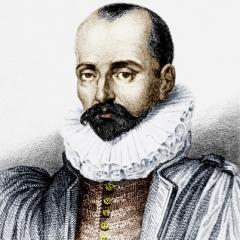
Michel de Montaigne was a French Renaissance philosopher, essayist, and writer. He is considered one of the most significant figures in the history of the essay. Montaigne's work, particularly his book 'Essays', has been influential in the development of modern prose.
Blaise Pascal was a French mathematician, physicist, philosopher, and theologian. He was born on June 19, 1623, and died on August 19, 1662. Pascal's contributions to mathematics were particularly significant, with groundbreaking work in probability theory, analytical geometry, and early calculus.