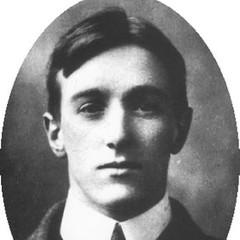
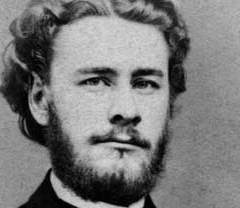
Robin G. Collingwood (February 22, 1889 – January 9, 1943) was a British philosopher, historian, and archaeologist, best known for his contributions to the philosophy of history, aesthetics, and metaphysics. Born in Lancashire, England, he was influenced by his father, an artist and archaeologist. Collingwood studied and taught at Oxford University, where he became the Waynflete Professor of Metaphysical Philosophy. His major works include The Idea of History, The Principles of Art, and An Essay on Metaphysics. He argued that all history is the history of thought, emphasizing the historian's role in re-enacting past ideas. His ideas have had a lasting impact on Western philosophy and historiography.
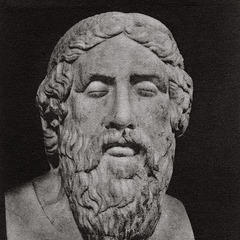
Epimenides was a Greek philosopher from Crete, active in the 6th century BC. His life and thoughts are documented sparingly in historical texts. He is best known for his paradox, 'Cretans always lie,' which has been widely discussed and studied to this day.
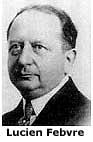
Lucien Febvre was a prominent French historian known for his in-depth research into the history of the Middle Ages and the Renaissance. His approach to history emphasized the comprehensive analysis of historical context and culture, which had a profound impact on later historians.
Ralph Davis (1915-1978) was an American author and business management writer known for his influential works in commercial education and economic theory. His writings contributed significantly to business studies in the mid-to-late 20th century.
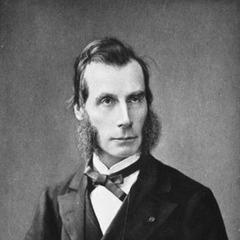
Numa Denis Fustel de Coulanges was a French historian and philosopher renowned for his studies on ancient Greece and Rome. His seminal work 'La Cité antique' delves into the origins of the ancient city-state, shaping the understanding of ancient societies.
Pieter Geyl was a renowned Dutch historian known for his extensive research on the history of the Dutch Republic. His works delved into the political, economic, and social development of the Netherlands, profoundly influencing the study of Dutch history.
Marc Bloch, a French historian, was born on July 6, 1886, and died on June 16, 1944. He is one of the founders of the Annales School and is renowned for his in-depth research on the social and economic history of medieval Europe.
Allan Nevins was an influential American historian renowned for his comprehensive research on the history of the United States. Born on May 20, 1890, and passing away on March 5, 1971, Nevins' work spanned a wide range of topics, including the American Revolution, the Civil War, and the Gilded Age.
John Andrew Rice (February 1, 1888 – November 16, 1968) was an American educator and writer, best known as the founder of Black Mountain College. Born in South Carolina, he taught at several universities before establishing the experimental college in 1933, which emphasized art, democracy, and interdisciplinary learning. Rice's innovative approach influenced 20th-century American art and education. He also authored an autobiography, 'I Came Out of the Eighteenth Century,' reflecting his educational philosophy. His legacy remains significant in progressive education circles.
Eamon Duffy is a prominent historian specializing in the history of Christianity in England. Born on February 9, 1947, Duffy has made significant contributions to the field through his meticulous research and engaging writing style.
Charles Augustus Briggs (January 15, 1841 - June 8, 1913) was a versatile scholar known for his work as a historian, theologian, and linguist. His career was marked by significant contributions to the fields of biblical studies and linguistics, and he held teaching positions at several renowned institutions, including Columbia University and New York University. Briggs' influence on academia is still felt today, and he is considered one of the leading figures in American scholarship at the turn of the 19th and 20th centuries.