
Jean de la Bruyere
Jean de la Bruyere was a French philosopher and moralist, born on August 16, 1645, and died on May 10, 1696. His works have had a profound impact on posterity.
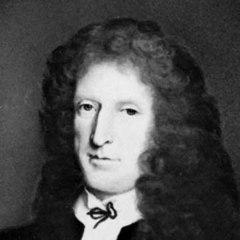
Jean de la Bruyere was a French philosopher and moralist, born on August 16, 1645, and died on May 10, 1696. His works have had a profound impact on posterity.
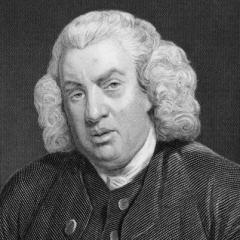
Samuel Johnson was an English writer, poet, and lexicographer, renowned for his comprehensive English dictionary, 'A Dictionary of the English Language', published in 1755. His distinctive writing style and wit have cemented his place as a significant figure in the history of English literature.
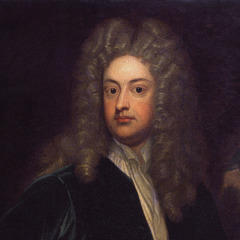
Joseph Addison, born on May 1, 1672, and died on June 17, 1719, was an influential English essayist, dramatist, and poet. He is known for his elegant prose style and his co-authorship of the magazine 'The Spectator' with Richard Steele.
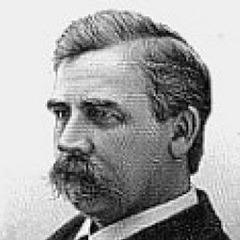
Charles Caleb Colton was an English writer active from 1780 to 1832. Known for his humor and wit, he is particularly recognized for his aphorisms and satirical works.
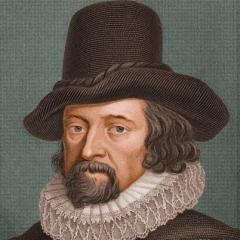
Francis Bacon, a renowned philosopher, politician, and writer, served as the Lord Chancellor of England. He is best known for his profound philosophical thoughts and extensive literary works, which have had a lasting impact on the world.
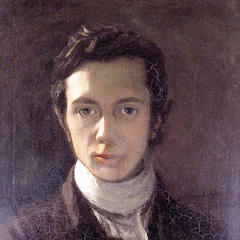
William Hazlitt, born on April 10, 1778, was an influential English essayist and literary critic. His works are renowned for their sharp observations and profound insights, which have had a lasting impact on 19th-century British literature.
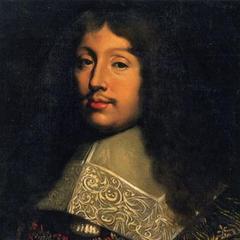
French author known for his wit and moral maxims. His works delve deeply into the flaws of human nature and the hypocrisy of society.
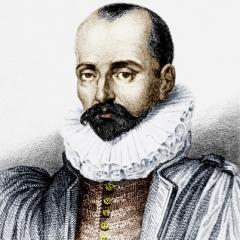
Michel de Montaigne was a French Renaissance philosopher, essayist, and writer. He is considered one of the most significant figures in the history of the essay. Montaigne's work, particularly his book 'Essays', has been influential in the development of modern prose.
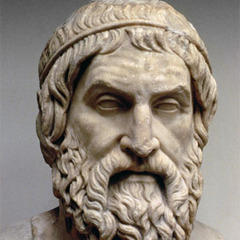
Sophocles, born in 498 BC and died in 406 BC, was a renowned Greek tragic playwright. He is one of the three greatest tragic poets of ancient Greece, alongside Aeschylus and Euripides. Sophocles' works profoundly revealed the complexity of human nature and social contradictions, exerting a profound influence on subsequent drama.
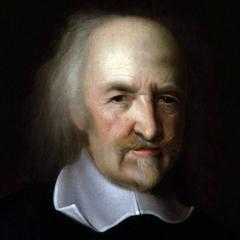
Thomas Hobbes, a British philosopher, politician, historian, economist, and writer, was born on April 5, 1588, in Wiltshire, and died on December 4, 1679, in Oxford, England. Hobbes is considered one of the most important philosophers of the 17th century, known for his profound analysis of the state, society, and human behavior.