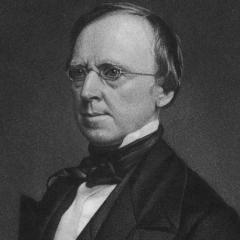
Roger Nash Baldwin (January 21, 1884 – August 26, 1981) was an American pacifist, civil‑rights lawyer, and one of the founding figures of the American Civil Liberties Union (ACLU). Born in Brooklyn, New York, he studied law at Columbia and Harvard before turning to activism during World War I, opposing U.S. entry and helping form the American Union Against Militarism. In 1931 he co‑founded the ACLU and served as its first executive secretary, guiding the organization to defend free speech, religious liberty, and due process for dissenters, labor organizers, and minorities. Baldwin’s lifelong commitment to non‑violence and constitutional rights made him a central architect of modern American civil‑liberties advocacy, influencing later human‑rights movements worldwide.
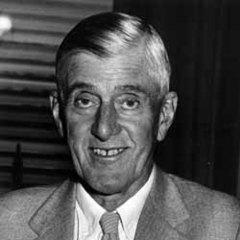
Leverett Saltonstall was a distinguished politician from Massachusetts, serving as the Governor of the state from 1945 to 1949. Born on September 1, 1892, and passing away on June 17, 1979, his tenure as governor was characterized by his significant contributions to the state's development and governance.
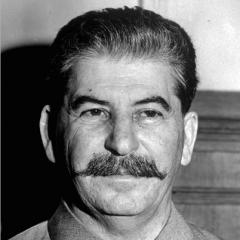
Joseph Stalin, the former Premier of the Soviet Union, was born on December 18, 1878, and died on March 5, 1953. He was the leader of the Soviet Communist Party and had a profound impact on the political, economic, and military development of the Soviet Union.
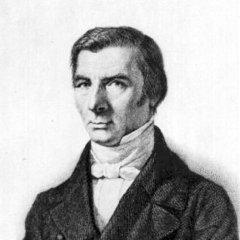
French economist and a prominent figure in the classical liberal tradition. Born on June 30, 1801, and died on December 24, 1850. His writings had a profound impact on economics and political philosophy.
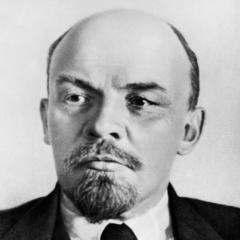
Vladimir Lenin was a Russian revolutionary, politician, Marxist theorist, and one of the founders of the Soviet Union. He played a crucial role in the Russian Revolution, leading the October Revolution of 1917, which overthrew the Tsarist regime and established the Soviet power. Lenin's ideas and theories had a profound impact on international politics in the 20th century.
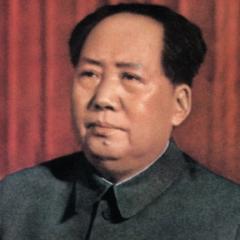
Mao Zedong, born on December 26, 1893, in Xiangtan County, Hunan Province, and died on September 9, 1976. He was one of the founders of the Communist Party of China and served as the Chairman of the People's Republic of China. Mao played a significant role in the history of China's revolution and construction, proposing many theories and practices with profound influence.
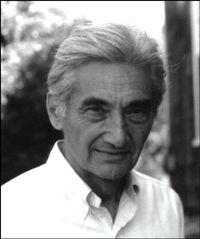
American historian known for his critical analysis of historical events and advocacy for social justice. His work emphasizes the connection between history and contemporary social issues, particularly focusing on the role of ordinary people in the historical process.
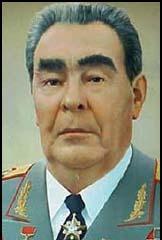
Leonid Brezhnev was the General Secretary of the Central Committee of the Communist Party of the Soviet Union, a key political figure in the Soviet Union during the Cold War. Born on December 19, 1906, and died on November 10, 1982, his leadership had a profound impact on the political, economic, and military policies of the Soviet Union.
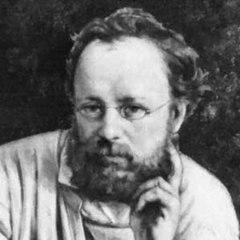
Pierre-Joseph Proudhon (1809-1865) was a French political philosopher, writer, and considered the father of modern anarchism. In 1840, he published "What is Property?" where he famously declared "property is theft," which profoundly influenced socialist and anarchist thought. Proudhon advocated mutualism, opposed capitalist exploitation and state authority, and significantly influenced thinkers like Karl Marx and Mikhail Bakunin. His works including "The Philosophy of Poverty" remain important texts in political philosophy and social theory.
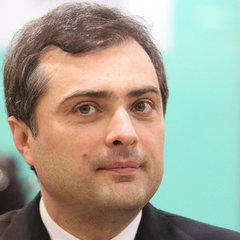
Vladislav Surkov is a prominent Russian politician recognized for his influential role in shaping Russian domestic and foreign policies. Born on September 21, 1964, he has held various high-profile positions within the Russian government.
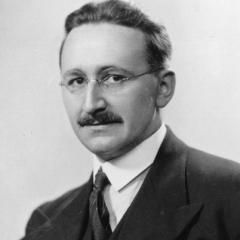
Friedrich August von Hayek, born on May 8, 1899, in Austria, and died on March 23, 1992, in the United Kingdom, was one of the most distinguished economists of the 20th century. He is renowned for his profound insights into the free market economy and his critical views on socialism.