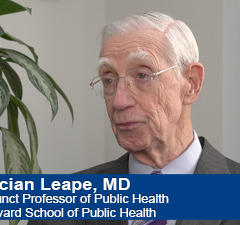
Lucian Leape
Lucian Leape is a renowned physician whose life and contributions have had a significant impact in the field of medicine.
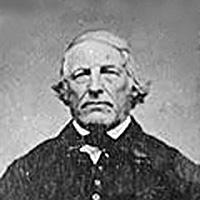
Lucian Leape is a renowned physician whose life and contributions have had a significant impact in the field of medicine.
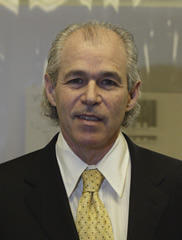
Robert Jarvik is an American scientist renowned for his pioneering work in the field of artificial hearts. In 1971, he successfully created the world's first fully implantable artificial heart, a breakthrough that revolutionized the treatment of heart disease.
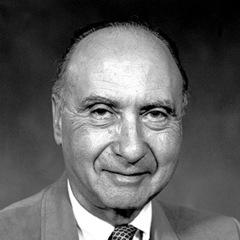
Abram Hoffer was a renowned physician known for his contributions to the field of psychiatry. Born on November 11, 1917, and passing away on May 27, 2009, Dr. Hoffer is recognized for his innovative approaches to treating mental illnesses with vitamins and minerals. His work has had a profound impact on the development of psychiatry.
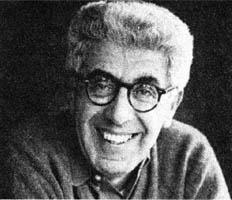
Barry Commoner was an esteemed biologist, born on May 28, 1917, and passed away on September 30, 2012. He made significant contributions to environmental science, particularly in the fields of soil pollution and environmental protection.

John Dupre is a renowned philosopher, born in 1952. His research focuses on the fields of philosophy of science and cognitive science, particularly on scientific knowledge, scientific explanation, and scientific practice. Dupre's works have had a profound impact on the fields of philosophy of science and cognitive science.
William Hunter, born in 1937 in the United Kingdom, was an outstanding statistician whose research had a profound impact on modern data analysis, particularly in the fields of biostatistics and public health. Professor Hunter's work involved a wide range of areas, including clinical trial design, survival analysis, and statistical modeling. His research methods have been widely applied in medical research, epidemiology, and industrial engineering.
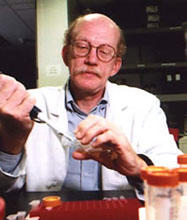
Bob Waterston, born on September 7, 1943, is an individual whose profession and category remain unknown.
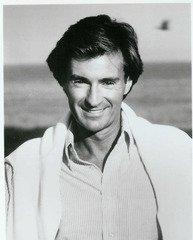
Charles Panati is an American author known for his wide-ranging interest in history and culture. His works cover a variety of topics from ancient times to the present, including history, science, art, and popular culture. Panati's writing style is typically humorous and informative, making his books appealing to a broad readership.

Thomas Cech is an American chemist born on December 8, 1947. He won the Nobel Prize in Chemistry in 1989 for his discovery that ribonucleic acid (RNA) can act as a catalyst, a finding that challenged traditional concepts of enzymology.
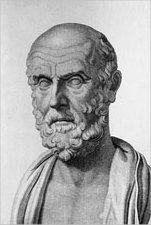
Hippocrates, a renowned Greek physician, is known as the 'Father of Medicine'. Born in 460 BC and died in 370 BC, he proposed the 'humoral theory' and emphasized the importance of the 'Hippocratic Oath' for doctors. His medical theories and practices have had a profound impact on the world.