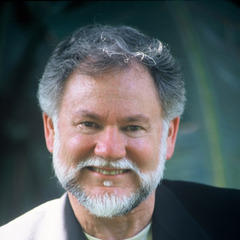
Warren Farrell
Warren Farrell is an activist, born on June 26, 1943. He is known for his advocacy for gender equality and men's issues.
Warren Farrell is an activist, born on June 26, 1943. He is known for his advocacy for gender equality and men's issues.
Curtis W. Fentress is a distinguished architect recognized for his innovative designs and contributions to the field of architecture. Born in 1947, Fentress has made a significant impact on the industry with his unique design approach and dedication to sustainability.
Kenzo Tange was a prominent Japanese architect whose work significantly influenced modern architecture. His career, spanning several decades, saw him design many iconic buildings both in Japan and internationally. Tange's architectural style was marked by a harmonious blend of modernism and traditional Japanese aesthetics, which he skillfully incorporated into his designs.

Toyo Ito is a prominent Japanese architect celebrated for his innovative and sustainable designs. Born on June 1, 1941, Ito has made substantial contributions to the field of architecture through his unique approach, earning him numerous prestigious awards throughout his career.

Jean de la Bruyere was a French philosopher and moralist, born on August 16, 1645, and died on May 10, 1696. His works have had a profound impact on posterity.
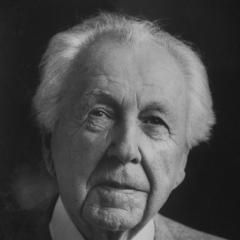
Frank Lloyd Wright, born on June 8, 1867, and died on April 9, 1959, was a renowned American architect, often hailed as the father of modern architecture. Known for his unique architectural style and design philosophy, Wright emphasized the harmony between nature and architecture, which had a profound impact on the architectural world.
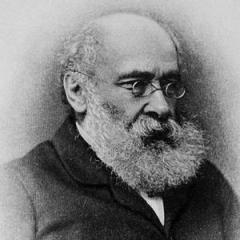
Anthony Trollope was an English novelist known for his detailed portrayals of Victorian British society. His works often centered around political and administrative themes, showcasing his profound insights into social structures and class divisions.
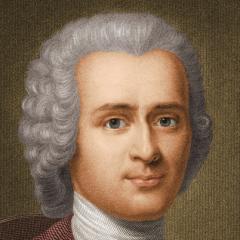
Jean-Jacques Rousseau was a French philosopher, writer, and composer, considered one of the most important figures of the Enlightenment. His works have had a profound impact on subsequent literature, political, and social theories.
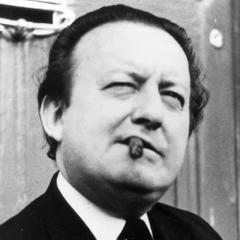
Cedric Price (1934-2003) was a pioneering British architect renowned for his innovative theories on architecture and technology. He is best known for the "Fun Palace" (1964), a revolutionary concept of a transformable building that inspired numerous high-tech architecture projects, including the Centre Pompidou in Paris. Price's "Maximum Brief" theory emphasized that buildings should be flexible and adaptable, capable of changing according to users' needs. Often called the "pioneer of high-tech architecture," he authored influential works including "Fun Palace" and "The Generator." His visionary ideas about architecture as a dynamic, ever-changing entity continue to influence contemporary architects worldwide.
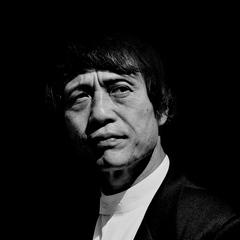
Tadao Ando is a renowned Japanese architect, born on September 13, 1941. His design style is characterized by simplicity and modernity, emphasizing the relationship between natural light and space. His works are spread across the globe, and he is known for his unique architectural language and profound understanding of architectural art.