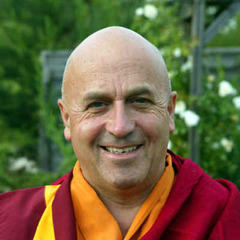
Matthieu Ricard
Matthieu Ricard is a French-born Tibetan Buddhist monk and a renowned scientist. Born on February 15, 1946, he has made significant contributions to the fields of Buddhist philosophy and scientific research.
Matthieu Ricard is a French-born Tibetan Buddhist monk and a renowned scientist. Born on February 15, 1946, he has made significant contributions to the fields of Buddhist philosophy and scientific research.
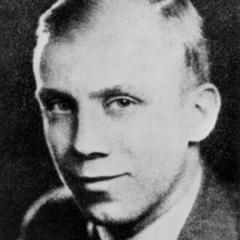
Thomas Merton (January 31, 1915 - December 10, 1968) was an American writer, poet, social critic, and mystic. His works covered a wide range of topics including philosophy, religion, and social justice, and were highly appreciated by readers.
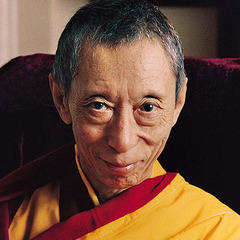
Geshe Kelsang Gyatso is a distinguished Tibetan Buddhist teacher and author, born in 1931. He is recognized for his extensive teachings and writings on the Buddhist path, particularly within the New Kadampa Tradition.
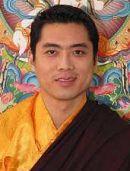
Tsem Tulku, born on October 24, 1965, is a mysterious religious figure. His identity and profession are currently unclear, but he is believed to have a significant influence in the field of Tibetan Buddhism.
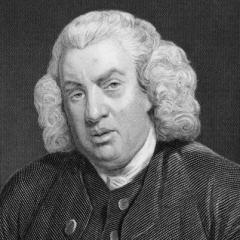
Samuel Johnson was an English writer, poet, and lexicographer, renowned for his comprehensive English dictionary, 'A Dictionary of the English Language', published in 1755. His distinctive writing style and wit have cemented his place as a significant figure in the history of English literature.
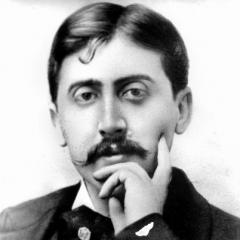
Marcel Proust was a French novelist renowned for his magnum opus, 'In Search of Lost Time'. This novel is considered a classic of 20th-century literature, known for its intricate psychological portrayals and profound exploration of memory.
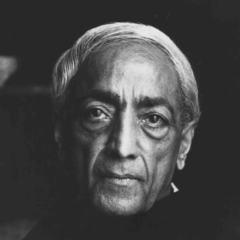
Jiddu Krishnamurti was an Indian philosopher, speaker, and writer who lived from May 12, 1895, to February 17, 1986. He is known for his teachings on the nature of the mind, consciousness, and the path to enlightenment. Krishnamurti emphasized the importance of self-inquiry and the transformation of consciousness, and his work has had a significant impact on individuals from various walks of life.
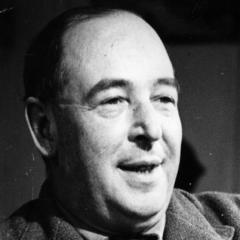
C. S. Lewis was a British novelist, academic, and Christian theologian. He is renowned for his fictional works, particularly The Chronicles of Narnia, a series of fantasy novels that have become a beloved classic of children's literature. Lewis also penned adult fiction, including the science fiction trilogy Out of the Silent Planet and the space trilogy. His non-fiction works, such as Mere Christianity and The Problem of Pain, have had a significant impact on Christian thought and spirituality.
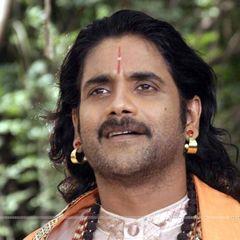
English biography, 120-180 words
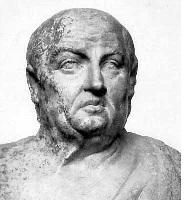
Seneca the Younger (4 BC - 65 AD) was a renowned Roman philosopher, statesman, and playwright. Born into a wealthy Roman family, he served as a government official in the Roman Empire. Seneca's philosophy was deeply influenced by Stoicism, and his works have had a profound impact on later generations.