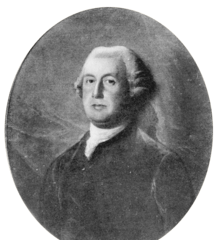
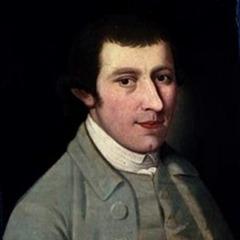
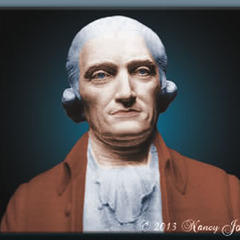
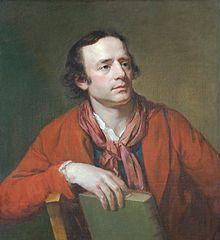
Sir Francis Bernard, 1st Baronet (July 12, 1712 – June 16, 1779) was a British colonial administrator who served as Governor of the Province of Massachusetts Bay from 1760 to 1769. His strict enforcement of British policies, including the Stamp Act, fueled colonial resistance and contributed to the tensions leading to the American Revolution. Born in England, he studied at Oxford and later entered law. After serving as Governor of New Jersey, he was appointed to Massachusetts, where his actions provoked widespread opposition. He was recalled to Britain in 1769 and later created a baronet. His legacy remains controversial, as he is seen as a symbol of British inflexibility. Due to limited sources, some details of his life are not fully documented.
Authors Similar to Sir Francis Bernard, 1st Baronet
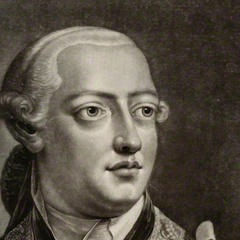
George III, King of Great Britain, was born on June 4, 1738, and died on January 29, 1820. He was the grandson of George I of Hanover and ascended the throne in 1760, ruling for 60 years, the second longest reign in British history. During his reign, Britain experienced the Industrial Revolution and the Napoleonic Wars, which had a profound impact on both Britain and the world.
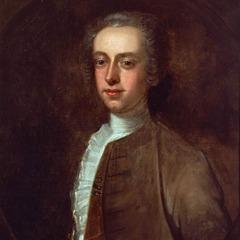
Thomas Hutchinson was an important political figure in the American Revolutionary War period, serving as the Governor of Massachusetts. Born on September 9, 1711, in England, he died on June 3, 1780, in the United States. He was a lawyer and writer, and his conservative stance and support for British rule made him a controversial figure during the American Revolution.
4 quotes · American Revolution, Parliament, Revolution
William Howe, 5th Viscount Howe, was a British military officer renowned for his command in the North American colonies. He was born on August 10, 1729, and died on July 12, 1814.
Nicholas Cresswell (1750-1804) was an individual of an unknown profession during the 18th century. His life and achievements are currently limited in available information, with further details awaited for exploration.
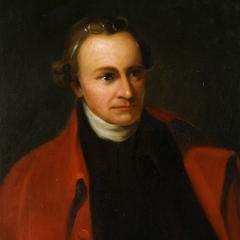
Patrick Henry, born on May 29, 1736, and died on June 6, 1799, was a prominent political figure and orator during the American Revolutionary War. He served as the Governor of Virginia and is remembered for his passionate speeches and unwavering stance. Henry is famous for his famous slogan 'Give me liberty or give me death' in a speech before the signing of the Declaration of Independence, which inspired many Americans to join the fight for independence.
Wan Azizah Wan Ismail is a distinguished Malaysian politician, born on December 3, 1952. She is a member of the People's Justice Party (PKR) and has been actively engaged in Malaysian politics for several decades. As a leader and advocate, she has made significant contributions to the political landscape of Malaysia.
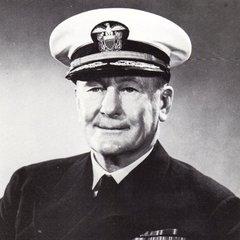
Samuel Eliot Morison was an American historian renowned for his studies in maritime history. His work 'History of the United States Navy' is a classic in the field of maritime history, having a profound impact on subsequent generations.
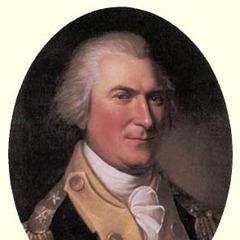
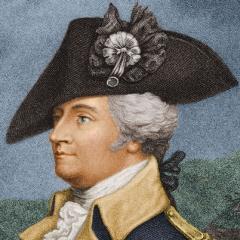
Anthony Wayne, born on January 1, 1745, and died on December 15, 1796, was a prominent American politician and military leader. He served as a representative in the United States House of Representatives and played a significant role in the early development of the United States, both in military and political capacities.
Benjamin Hawkins was a prominent American politician who served as a United States Senator. Born on August 15, 1754, and died on June 6, 1816, Hawkins was active during the American Civil War and is known for his contributions to agriculture and Native American policies.
2 quotes · American Revolution, Citizens, Congress
Isaac Barre, an Irish politician, was born in 1726 and died on July 20, 1802. He played a significant role in the Irish independence movement and was a key member of the Irish Parliament, profoundly influencing the political and social development of Ireland.
1 quotes · America, American Revolution, Behaviour