Teresa of Avila
Teresa of Avila, born on March 28, 1515, and died on October 4, 1582, was a Spanish mystic, nun, and theologian. She is a saint of the Catholic Church, renowned for her profound insights into mysticism and spiritual life.

Teresa of Avila, born on March 28, 1515, and died on October 4, 1582, was a Spanish mystic, nun, and theologian. She is a saint of the Catholic Church, renowned for her profound insights into mysticism and spiritual life.
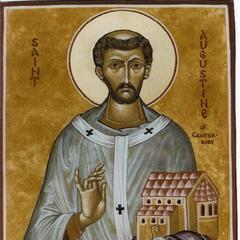
Saint Augustine, born on November 13, 354 in Tagaste, North Africa, and died on August 28, 430, was an influential Christian theologian, philosopher, and writer. He is considered one of the 'Fathers of the Church' and had a profound impact on Christian theology, philosophy, and Latin literature. His work 'Confessions' is a classic of Western literature, and his thoughts have had a lasting influence on Christian doctrine and Western culture.
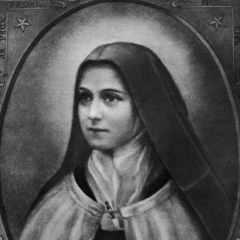
Thérèse of Lisieux, also known as Saint Thérèse of the Child Jesus and the Holy Face, was a French Catholic nun known for her piety and mysticism. Born on January 2, 1873, and died on September 30, 1897, she was canonized by Pope Pius XII and is one of the most famous saints of the modern era. She is revered for her simple lifestyle and deep faith, which have inspired many.
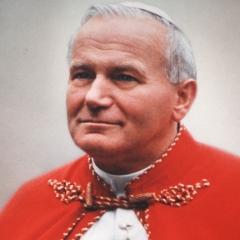
Pope John Paul II, born on May 18, 1920, and died on April 2, 2005, was the 266th Pope of the Roman Catholic Church and one of the longest-reigning popes in history. During his papacy from 1978 to 2005, he was dedicated to promoting world peace and unity, advancing church reform, and visiting numerous countries and regions.
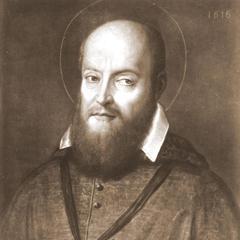
Saint Francis de Sales, born on August 16, 1567, and died on December 28, 1622, was the Bishop of Geneva. Known for his profound theological knowledge and exceptional pastoral skills, he is hailed as the 'Saint of France'. During the Reformation period, he dedicated himself to reconciling Catholicism with Protestantism, and his writings have had a profound impact on subsequent generations.
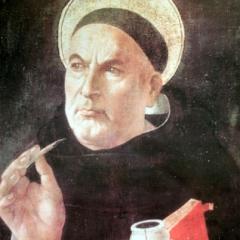
Thomas Aquinas, born on January 28, 1225 and died on March 7, 1274, was a renowned theologian, philosopher, and priest. He is considered one of the greatest theologians of the Middle Ages and his works have had a profound impact on philosophy and theology.
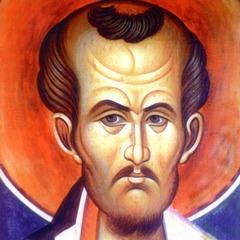
Saint John Chrysostom (c. 347 – September 14, 407) was an early Church Father and Archbishop of Constantinople, renowned for his eloquent preaching and oratory, earning the epithet 'Chrysostom' meaning 'golden-mouthed.' Born in Antioch, he received a classical education and later became a hermit. His sermons emphasized moral reform, social justice, and biblical exegesis, often criticizing luxury and corruption. His conflicts with the imperial court and clergy led to multiple exiles, and he died during a forced march. His extensive writings, including homilies, commentaries, and letters, profoundly influenced Eastern Christianity. He is venerated as a saint and Doctor of the Church in Eastern Orthodoxy, Catholicism, and other traditions.
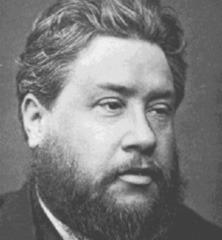
Charles Haddon Spurgeon, born on June 19, 1834, was a prominent Christian preacher from the United Kingdom. Known as the 'Preacher of London,' he was renowned for his passionate sermons and profound influence. Spurgeon's preaching drew thousands of listeners, and his writings had a widespread impact on the Christian world.
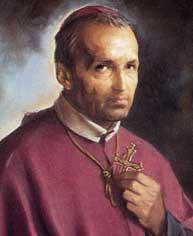
Alphonsus Liguori, born on September 27, 1696, in Naples, Italy, and died on August 1, 1787. He was a prominent Italian writer, theologian, composer, and Catholic saint. Liguori is known for his moral theology and religious writings, which have had a profound impact on posterity.
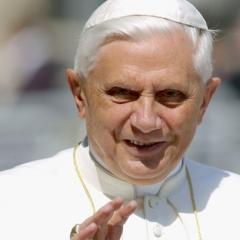
Pope Benedict XVI, born Joseph Aloisius Ratzinger, was the 265th Pope of the Roman Catholic Church, serving from 2005 to 2013. He had a deep academic background in philosophy and theology, serving as a Cardinal and President of the Pontifical Biblical Commission. During his papacy, Pope Benedict XVI worked to promote church reform and dialogue, emphasizing the importance of traditional doctrine while balancing conservative and reformist forces within the church.