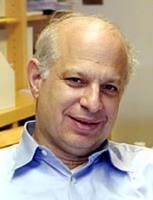
Marc Kirschner
Marc Kirschner is a renowned biologist known for his research in the fields of cell biology and developmental biology. Born on February 28, 1945, he has made significant contributions to the field throughout his career.
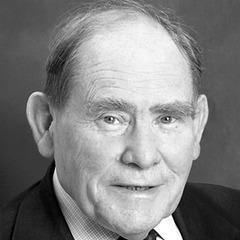
Marc Kirschner is a renowned biologist known for his research in the fields of cell biology and developmental biology. Born on February 28, 1945, he has made significant contributions to the field throughout his career.
Jean Fernel, a French physician, is considered one of the founders of modern anatomy. Born in 1497 and died on April 26, 1558, Fernel is renowned for his contributions to anatomy, physiology, and medical philosophy.
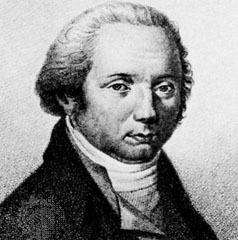
Franz Joseph Gall (March 9, 1758 - August 22, 1828) was a physiologist and is considered the founder of phrenology. He proposed the theory of phrenology, which suggested that different parts of the brain correspond to different psychological traits in individuals.
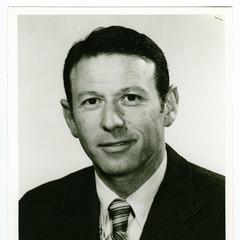
Paul Berg is a renowned American molecular biologist, known for his pioneering work in DNA recombinant technology. Born on June 30, 1926, he has made significant contributions to the field of molecular biology.
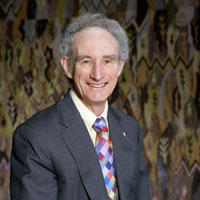
Sir Robert May, Baron May of Oxford, is a renowned British scientist known for his significant contributions to genetics, molecular biology, and biotechnology. He made groundbreaking advancements in the research and application of DNA recombinant technology, which has had a profound impact on the fields of genetic engineering and biotechnology. Sir May has held multiple positions at the University of Oxford and has been recognized for his contributions to scientific research and education.
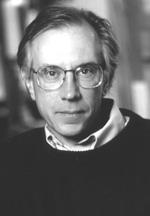
Thomas Cech is an American chemist born on December 8, 1947. He won the Nobel Prize in Chemistry in 1989 for his discovery that ribonucleic acid (RNA) can act as a catalyst, a finding that challenged traditional concepts of enzymology.
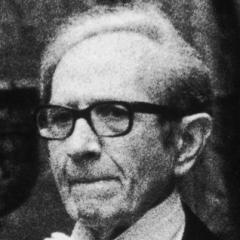
Albert Claude was a renowned researcher in the field of cell biology, known for his groundbreaking contributions. Born on August 24, 1899, in France, he passed away on May 22, 1983, in the United States. During his career, Claude focused on the study of cell organelles, particularly the discovery of lysosomes. His work revealed the complex mechanisms of intracellular material transport, laying a solid foundation for the development of cell biology. Claude's achievements have had a profound impact on subsequent research in the field, and he is often hailed as one of the greatest cell biologists of the 20th century.
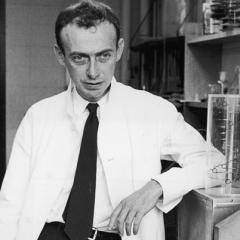
James D. Watson is a renowned molecular biologist, best known for his discovery of the double helix structure of DNA with Francis Crick. His research has had a profound impact on molecular biology and genetics.
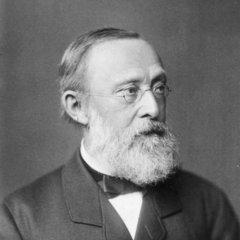
German physician and one of the founders of cellular pathology, known as one of the greatest scientists in the history of medicine. He proposed the basic principles of cellular pathology, which had a profound impact on the development of modern medicine.
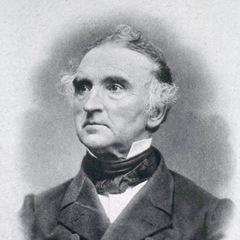
Justus von Liebig, a German chemist born on May 12, 1803, and died on April 18, 1873, is considered one of the founders of organic chemistry. He made significant contributions to the development of agricultural chemistry and food science.