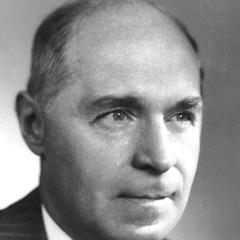
Hermann Joseph Muller
Hermann Joseph Muller, born on December 21, 1890, and died on April 5, 1967, was a renowned geneticist and biologist known for his contributions to the field of genetics.
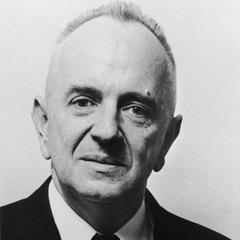
Hermann Joseph Muller, born on December 21, 1890, and died on April 5, 1967, was a renowned geneticist and biologist known for his contributions to the field of genetics.
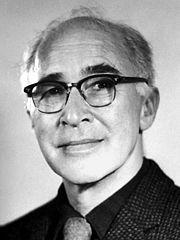
George Wald was an American biologist renowned for his research in the field of visual physiology. In the mid-20th century, his studies on retinal pigment vision significantly contributed to the understanding of human visual mechanisms. Wald was awarded the Nobel Prize in Physiology or Medicine in 1967 for his outstanding contributions to the field of visual physiology.
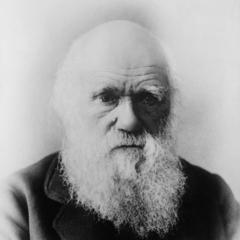
Charles Darwin, a British naturalist, is renowned as the founder of evolutionary biology. Born on February 12, 1809, in England, he passed away on April 19, 1882. Darwin is best known for his research on the theory of evolution, which proposed that species evolve through natural selection and survival of the fittest.

Kenneth R. Miller is a renowned biologist known for his extensive research in evolution and cell biology. His work spans molecular biology, developmental biology, and genetics, and he has made significant contributions to the field. Miller has published numerous academic papers and written several textbooks, including 'The Living World,' widely used in university classrooms.
Anthony Standen was an accomplished British author known for his profound insights into history and culture. His works covered a wide range of historical themes from the Middle Ages to the modern era, celebrated for their unique narrative style and attention to detail.

Michael Denton is a renowned author known for his works in the fields of science and philosophy. His research spans across biology, evolutionary theory, and theology, particularly focusing on the complexity of life and its possible theological implications.
Pierre-Paul Grasse was a French author and entomologist renowned for his significant contributions to the study of insects. Born in 1895, he made substantial advancements in the field of entomology, particularly in the areas of classification and description of arthropods. His work has had a lasting impact on the scientific community and has shaped the way insects are understood and studied today.
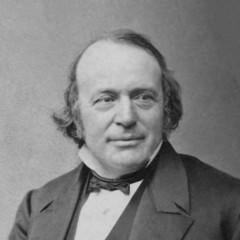
Louis Agassiz, born on May 28, 1807 in Switzerland and died on December 14, 1873 in the United States, was a renowned geologist in the 19th century. He made significant contributions to the fields of paleontology and geology.
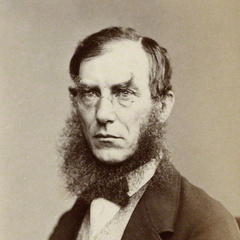
Joseph Dalton Hooker was a British botanist born on June 30, 1817, and died on December 10, 1911. He is renowned for his contributions to plant taxonomy and plant geography, serving as the director of the Royal Botanic Gardens, Kew, and participating in several scientific expeditions.

Eugenie Scott is a renowned American anthropologist born on October 24, 1945. She is known for her work in science popularization and science education, particularly for her contributions to the dialogue between science and religion.