Roger Bissiere
Roger Bissiere, an individual who made significant contributions to the field of [Occupation/Category], was born on September 22, 1886, and passed away on December 2, 1964. His life and achievements are not well-documented.
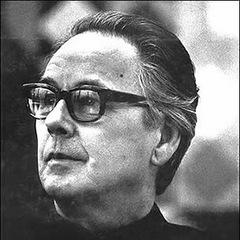
Roger Bissiere, an individual who made significant contributions to the field of [Occupation/Category], was born on September 22, 1886, and passed away on December 2, 1964. His life and achievements are not well-documented.
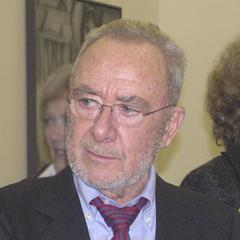
German visual artist known for his unique painting style and diverse creative techniques. Richter's works span a wide range of styles from abstraction to figuration, and his career has spanned over half a century, profoundly influencing contemporary art.
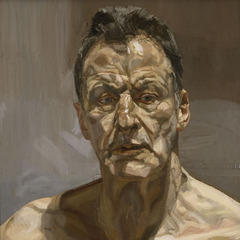
Lucian Freud, born on December 8, 1922 in Berlin, Germany, was a renowned British painter. Known for his profound depictions of human portraits, his works showcased the complexity and psychological states of individuals. Freud's painting style is unique, characterized by his fine brushstrokes and rich color layers. His works have earned high acclaim in the art world and have had a profound impact on contemporary art.
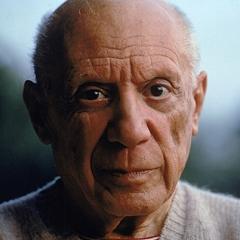
Spanish painter and one of the most influential figures in 20th-century art. Picasso is renowned for his unique artistic style and prolific career, encompassing various fields such as painting, sculpture, and printmaking. His paintings have gone through several phases, from the early Blue Period to the later Cubism, profoundly impacting 20th-century art.
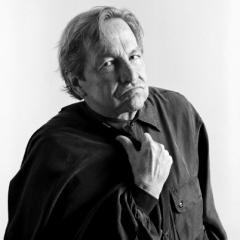
Robert Rauschenberg was an American painter known for his innovative and interdisciplinary works that combined painting, sculpture, photography, and performance art. His style spanned across Abstract Expressionism, Conceptual Art, and Pop Art, profoundly influencing 20th-century art.
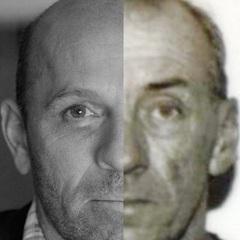
Peter Doig is a Scottish painter known for his distinctive landscape paintings. His works often feature tropical and Caribbean landscapes, blending elements of abstraction and representation. Doig's paintings are celebrated for their vibrant colors and dreamlike atmosphere, and he has had a significant influence in the art world.
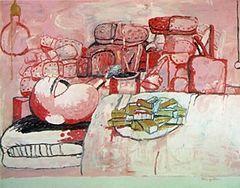
Philip Guston was an influential American painter known for his unique style and contributions to modern art. His works combined elements of Abstract Expressionism and Surrealism, showcasing profound emotions and complex themes.
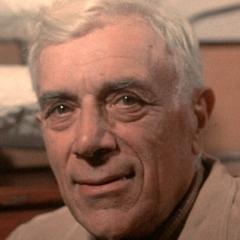
Georges Braque, born on May 13, 1882, and died on August 31, 1963, was one of the most famous painters of the 20th century. He co-founded the Cubist art movement with Picasso. Braque's paintings are known for their unique geometric shapes and color usage, which have had a profound impact on modern art.
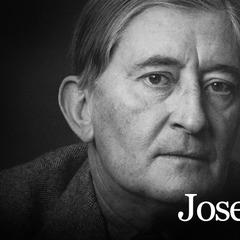
Josef Albers was a German-born American artist known for his contributions to color theory and visual art. His works, characterized by strict geometric forms and color studies, have had a profound impact on modern art.
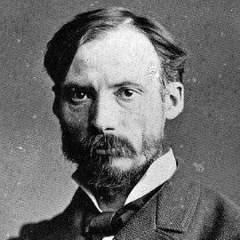
Pierre-Auguste Renoir (February 25, 1841 – December 3, 1919) was a French Impressionist painter renowned for his vibrant depictions of light, color, and everyday life. Born in Limoges, he moved to Paris as a child and began his artistic career as a porcelain painter. A central figure of Impressionism, Renoir focused on capturing fleeting moments, especially in scenes of leisure, women, and children. His masterpieces include Bal du moulin de la Galette, Luncheon of the Boating Party, and The Umbrellas. Despite suffering from rheumatoid arthritis in his later years, he continued painting by strapping brushes to his hands. Renoir's work remains celebrated for its warmth and optimism, influencing generations of artists and housed in major museums worldwide.